
Israeli bombing of Lebanon spreads panic and forces people to flee
Overnight, Israeli strikes hit the southern suburbs of Beirut after evacuation orders were issued for densely populated neighbourhoods. Staff and partners of Norwegian People’s Aid report panic, displacement and growing humanitarian needs in a Lebanon already struggling with the consequences of war and destruction.
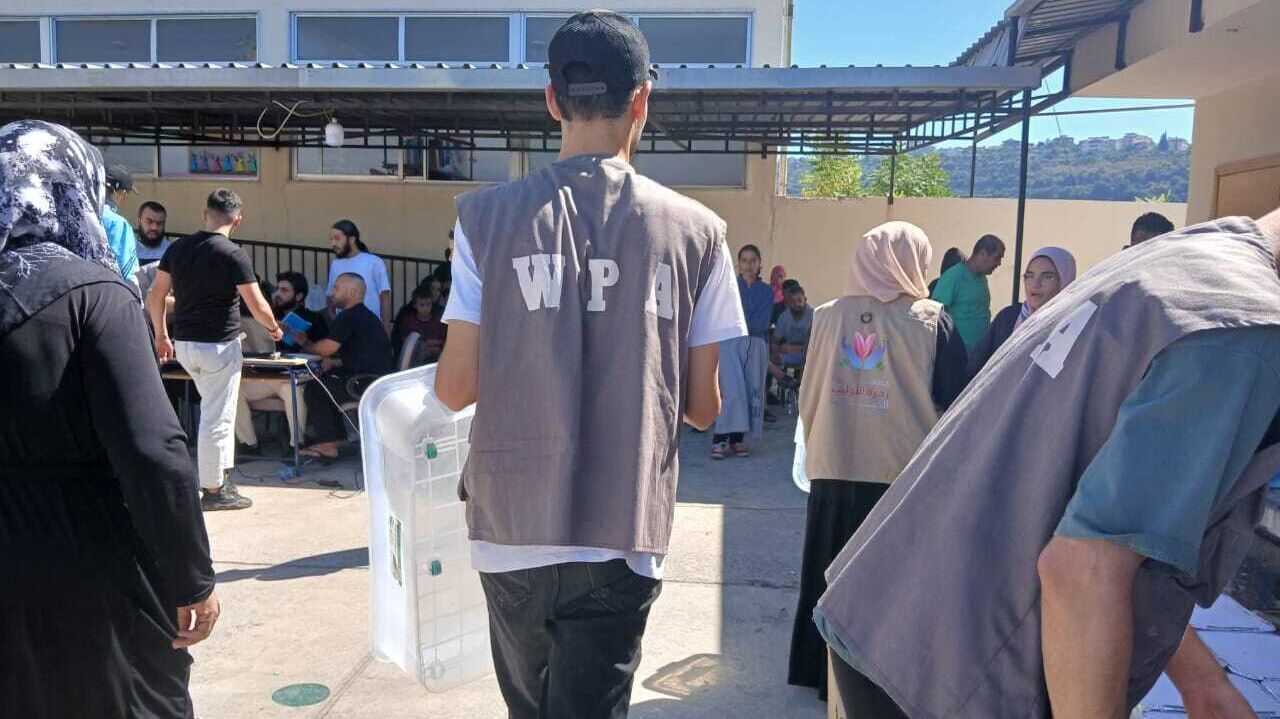
This is the first time evacuation orders have been issued for such a large area on the outskirts of the Lebanese capital. The attacks follow several days of heavy escalation in Lebanon. According to Lebanese health authorities, 123 people have been killed and 683 injured in Israeli attacks this week.
“Staff from NPA and our local partners describe a situation of complete chaos. People are fleeing without knowing where to go, and families are sleeping in cars, on the streets or wherever they can find shelter. Many of our own staff are themselves displaced within the country,” says Raymond Johansen, Secretary General of Norwegian People’s Aid.
The Israeli evacuation orders have affected densely populated residential areas in Beirut where large numbers of civilians live. At the same time, Israeli forces have intensified operations in southern Lebanon, and UN agencies have in recent days warned of growing internal displacement. Tens of thousands have already sought refuge in shelters and temporary accommodation, and many more are expected to follow.
NPA has been present in Lebanon for many years and is well aware of the consequences of war and bombing in the country. Southern Lebanon still bears the scars of previous Israeli attacks and invasions, as well as large quantities of unexploded ordnance and explosive remnants of war. The organisation now fears that a further escalation will worsen an already extremely fragile situation.
“Lebanon is a country where many communities are still struggling to recover from earlier destruction. When the bombing intensifies again, we know the consequences are not only measured in those killed and injured today, but in trauma, destroyed homes, interrupted schooling, lost livelihoods and years of renewed fear and uncertainty. We have seen it time and again: when densely populated areas are bombed, civilians always pay the highest price,” says Johansen.

For security reasons, NPA has suspended all of its demining operations in Lebanon and Iraq. At the same time, the organisation’s local partner organisations are stepping up efforts to deliver life-saving humanitarian response in their communities. In Lebanon, partners are mobilising to support internally displaced people with food, mattresses, blankets and other essential items. They are also providing psychosocial support and protection to people during the acute crisis.
“It is our local partners who are carrying much of the response right now. They know the communities, they have trust, and they are doing an extraordinary job even as they themselves are affected by the war,” says Johansen.
Although many staff members are currently displaced, NPA is exploring ways to provide Conflict Preparedness and Protection (CPP) training for civilians in conflict-affected areas across the region. The organisation has delivered CPP, both in person and digitally, in war-affected countries for many years. The aim is to give people practical knowledge about how they can protect themselves and their families when bombs fall – from first aid and safer evacuation procedures to how to avoid injury from unexploded ordnance left behind after attacks.
“When the world discusses geopolitics and great-power rivalry, my constant reminder is that we must not lose sight of the people. In Lebanon we now see families fleeing in panic, parents trying to find safety for their children, and communities once again thrown into crisis. Their reality must be at the centre,” says Johansen.
NPA calls for an immediate halt to the attacks and urges all parties to respect International Humanitarian Law. The protection of civilians must always be top priority.
