
Norwegian People's Aid Adopts Climate Targets and Strengthens Climate and Environmental Action
Norwegian People's Aid (NPA) has adopted new long-term climate targets and endorsed the direction for the further development of the organisation's Climate and Environmental Policy. This marks an important step in strengthening climate and environmental considerations across the organisation.
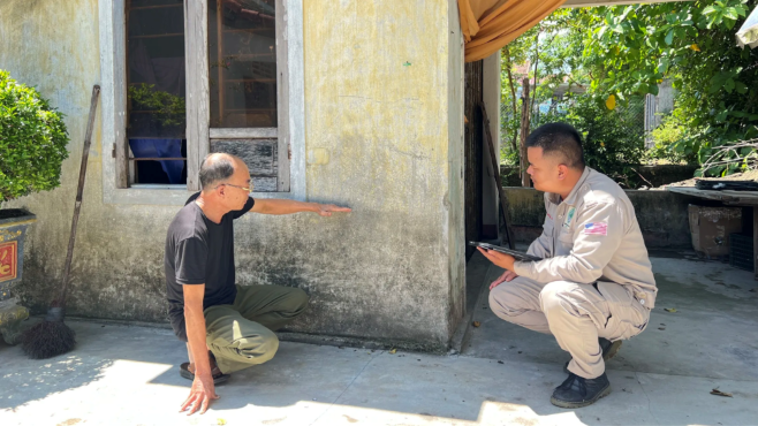
The new targets commit the organization to reducing its greenhouse gas emissions by 40 percent by 2035 and achieving net-zero by 2050.
“Climate change, environmental degradation and conflict are increasingly affecting the people and communities where NPA works. Climate and environmental action are therefore not only about reducing our own footprint, but also about ensuring the quality and relevance of our work” says Secretary General Raymond Johansen.
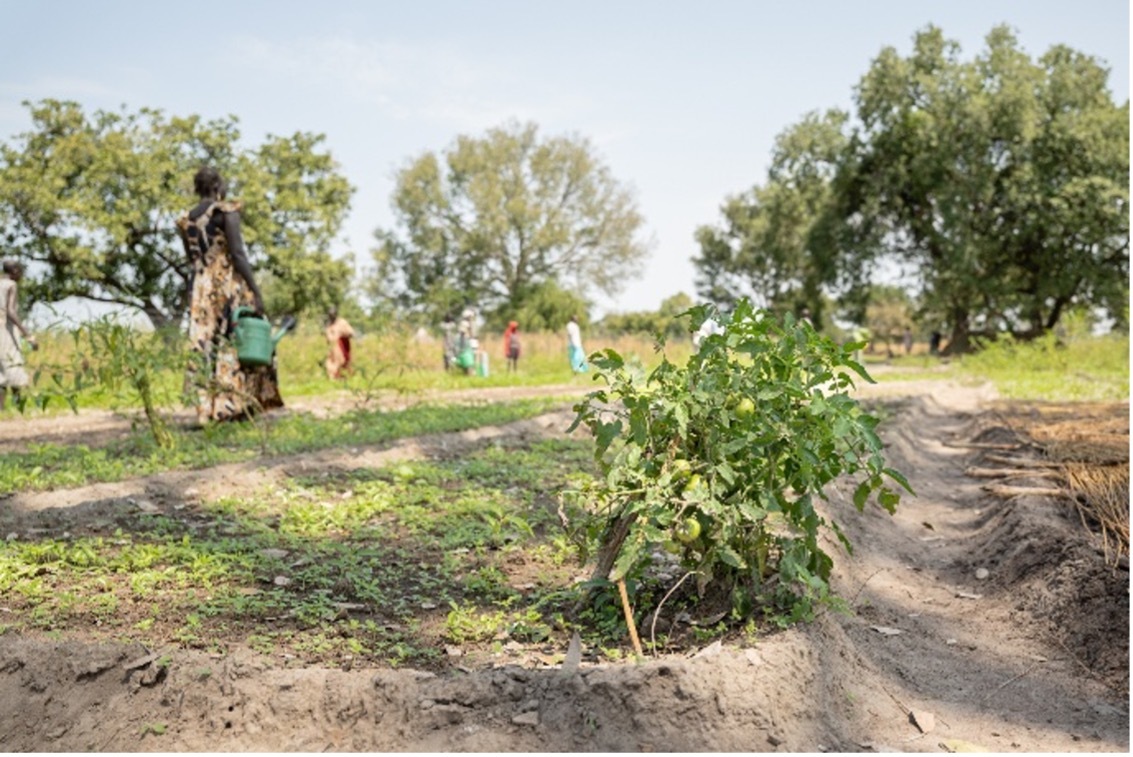
A Core Part of Norwegian People's Aid’s Mission
Climate change and environmental degradation are affecting access to natural resources, livelihoods and food security, while contributing to humanitarian crises, conflict and vulnerability in many parts of the world.
Norwegian People's Aid is in the process of further developing its Climate and Environmental Policy. This work aims to strengthen the organisation's approach to emissions reductions, climate adaptation, environmental protection and advocacy.
“The new climate targets provide a clear direction for how we will work to reduce emissions over time, while also strengthening the integration of climate and environmental considerations across the organization and within our programmes,” says Climate and Environment Special Adviser Kristin Holme Obrestad.
Building on Existing Efforts
NPA has produced annual greenhouse gas inventories since 2022, and has worked to strengthen the systems and tools needed to reduce the organisation's climate and environmental impact.
The organisation has also played a leading role internationally in strengthening climate and environmental considerations across the humanitarian mine action sector.
The newly adopted climate targets will be implemented through concrete milestones, measures and the continued development of the organization’s Climate and Environmental Policy.
Important for the Future of Aid
Donors and partners increasingly expect organisations to demonstrate how they manage climate and environmental risks, reduce emissions and integrate sustainability into their operations and programmes.
NPA believes that clear targets and robust management systems are essential to ensuring relevant, forward-looking and sustainable assistance in the years ahead.
“The people we work with and for often experience the impacts of conflict, poverty and the climate crisis at the same time. If NPA is to remain a relevant organisation in the future, climate and environmental considerations must be integrated into how we plan, prioritise and deliver our work. This is about both reducing our own footprint and contributing to more resilient communities,” says Johansen.
