
Safe Spaces healing Women and Girls – Returnee women in Syria are Still Fighting to Belong
As Syria marks International Women’s Day amid an uneasy transition, returnee women are navigating a daily reality shaped by stigma, exclusion, and insecurity. In NPA’s safe spaces, women and girls are finding rare ground for healing, dignity, and the possibility of starting over.
By Tom Magumba - Research and advocacy Advisor
“The women arriving at safe spaces are already doing the hardest part: returning, showing up, and trying again. The question for Syria’s transition and for the world watching it is whether communities and institutions will meet them halfway.”
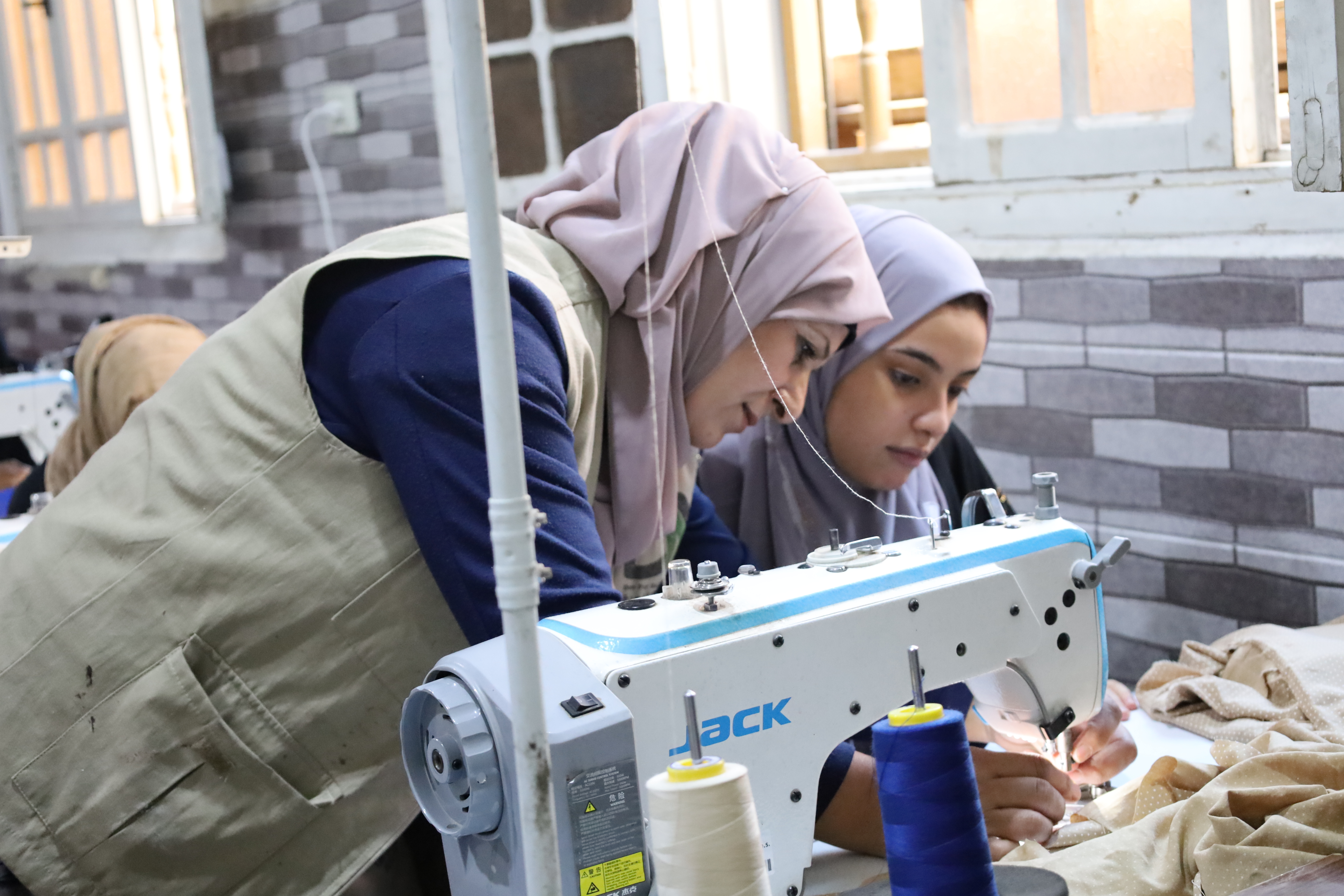
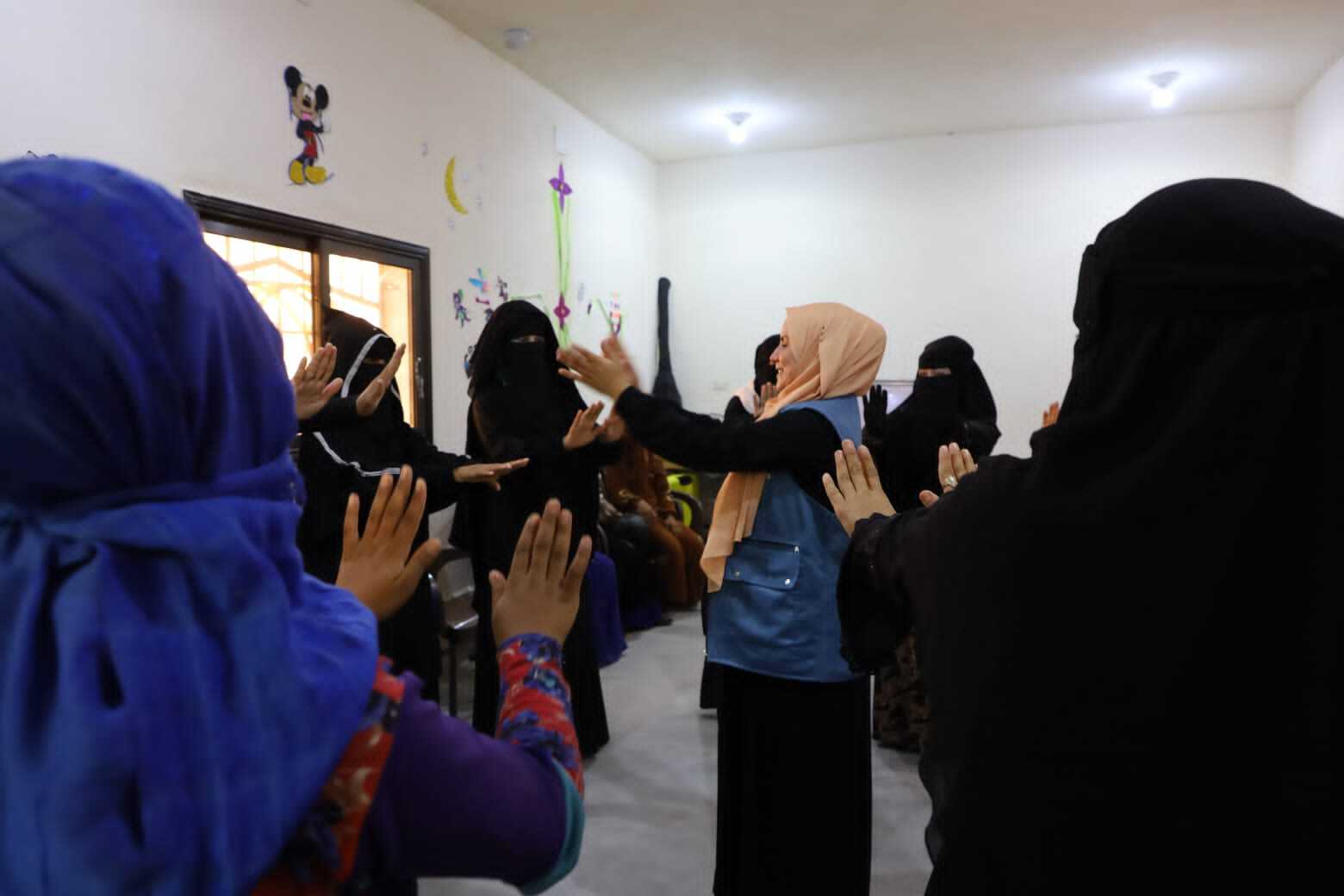
Everyday, there is a group of women and girls who wake up to converge at NPA’s safe space in Raqqa. Some come for psychosocial support, others for help with civil documentation, and some simply for a room where they can speak without being judged. For many returnee women — those coming back after displacement, detention-related movement, or years of living under stigma — this is one of the few places where “return” feels less like a label and more like a chance to start again. Syria women will market International Women’s Day “if at all” this Sunday in a moment of uneasy transition. Local governance arrangements are shifting and communities are rebuilding, but for returnee women the transition is not experienced as political change. It is experienced as everyday friction suspicion at checkpoints, whispers in neighbourhoods, barriers at service points, and a constant question hanging in the air — do they really belong here?
Through managing programmes addressing sexual and gender-based violence, Iyala Saadi NPA Protection Coordinator has seen how stigma and exclusion often become another form of violence for women returning to their communities. “From a feminist perspective, safe spaces are not only about protection — they create conditions where women can express themselves freely, access support, and engage with their communities on their own terms” She says.
NPA’s recent European Union funded field evidence across Raqqa, Deir ez-Zor and Al-Hasakah underlines how sharp this challenge is. 65.7% of respondents identified women as facing the greatest community challenges, and 38.1% said they feel unsafe in their communities. Most tellingly, only 16.2% believe women and youth returnees are treated fairly, and just 7.6% say communities are very supportive of returnees. The numbers point to a hard reality that return is not the end of displacement. “For many women, it is the beginning of a new struggle for safety, acceptance and rights” a female facilitator from Bahar NPA implementing partner said.
For returnee women, stigma is rarely loud; it is administrative, social, and relentless. It shapes whether a woman can rent a home, register a child, access aid, or even walk to a service without harassment. It also shapes who is believed when something goes wrong. In fragile settings, where protection systems are stretched, these social judgements become practical risks. Housing, Land and Property disputes deepen the pressure. War and displacement did not only destroy houses; they disrupted records, ownership claims, and dispute mechanisms — and women often return with the weakest footing. Findings show how structural this is: 80.2% of women surveyed reported barriers to resolving HLP disputes, and 63.9% cited civil documentation problems as a major obstacle. For returnees, documentation is not paperwork — it is the difference between being visible to the state or falling through every crack: unable to reclaim property, access services, or prove family ties.
And yet, inside the safe space, another truth is visible. When support is integrated — psychosocial care linked to legal pathways, education re-entry, livelihoods, and community dialogue — returnee women begin to move from survival to agency. The shift is subtle but powerful: a woman who can speak about trauma without shame; a mother who learns how to pursue documentation; a young returnee who joins a skills group instead of being isolated at home. These are not “soft” outcomes in northeast Syria. They are the building blocks of reintegration, and reintegration is one of the strongest defences against renewed harm. This is why NPA and its local partners treat safe spaces not as stand-alone services, but as stabilisation infrastructure in a fragile transition. They provide immediate protection, create routes back into community life with dignity, livelihood skills, and social connection. “This transition period is an opportunity to rethink how recovery is built. Supporting women
