
NPA's reaction to the war in the Middle East: Civilians must be protected
Last weekend the world woke up to the news that the United States and Israel had attacked Iran. Since then, the situation has escalated dramatically. Several countries are now involved in the war, and fears of a wider regional conflict are growing.
The war is having far-reaching consequences across a region where Norwegian People’s Aid is present in several countries. Millions of people risk paying the price for an armed conflict they have no control over. Children are particularly vulnerable. For many observers, the focus is on geopolitics, economic consequences and international security. For Norwegian People’s Aid, it is essential to highlight the humanitarian consequences of war.
A legitimate struggle for freedom
NPA is not present in Iran. At the same time, we know from experience what happens when cities are bombed, people are forced to flee, and civil society comes under even greater pressure in times of war.
For years, the Iranian pro-democracy movement has fought a courageous struggle for democracy, fundamental rights and political freedom. This struggle has come at a high cost, and many have risked both their liberty and their lives in the face of an authoritarian regime.
For many Iranians, recent developments therefore also represent hope for political change in the country.
At the same time, experience from other conflicts shows that democracy and stable political institutions cannot be created through bombing and military force alone. Lasting democratic change must grow from processes within society itself.
It is therefore crucial to distinguish between the Iranian people’s own struggle for freedom and the military strategies of global powers in the region.
Bombing cities hits civilians the hardest
In the first days of the war, more than 2,000 bombs were dropped on Iran within the first 30 hours, in addition to more than 1,000 U.S. strikes. Iran responded with hundreds of missiles and drones.
Experience from conflicts around the world shows what this means for civilians.
When powerful explosive weapons are used in densely populated areas, civilians suffer the most. Over the past ten years, around 90 percent of those killed or injured by explosive weapons in cities have been civilians. Children are particularly vulnerable to severe injury and death because their bodies are smaller and still developing.
Bombing also destroys critical infrastructure such as homes, water systems, electricity networks and healthcare services, and can create long-lasting humanitarian crises.
Norwegian People’s Aid calls for an immediate halt to the hostilities. The bombing of urban areas must be condemned – regardless of whether it is carried out by the United States, Israel or Iran.
The conflict is also affecting other countries in the region
The war is worsening an already extremely serious situation in several parts of the Middle East.
In Gaza, the situation remains critical. Large parts of the area lie in ruins, and nearly one million people are still living in tents. At the same time, the illegal occupation and violence against Palestinians continue in the West Bank.
In Lebanon, Israeli ground forces have moved into the south. As of 6 March, at least 123 people have been killed and more than 680 injured, according to the Lebanese Ministry of Health.
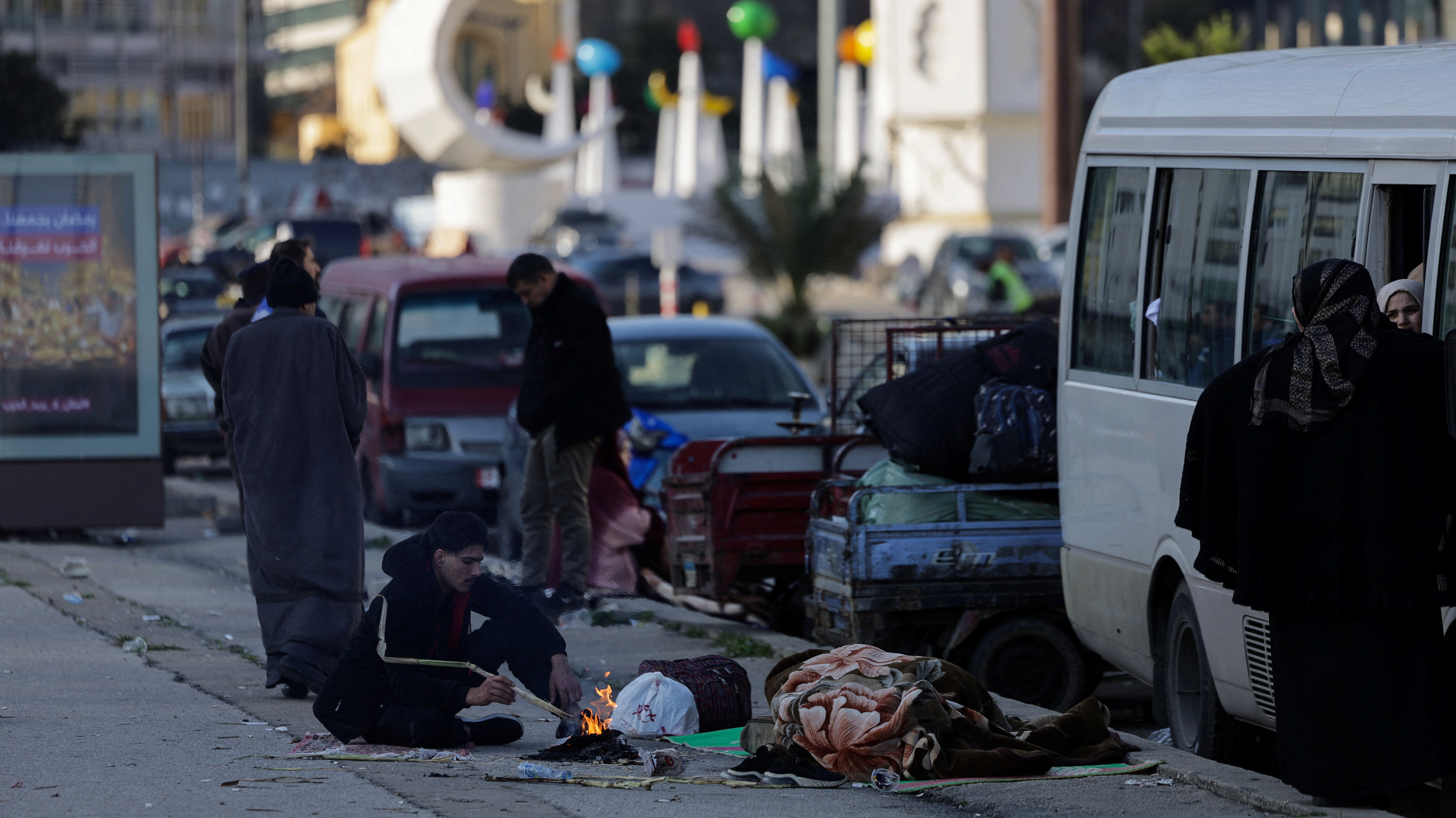
The number of people fleeing is rising hour by hour, and our staff report chaos, panic and long lines of cars filled with people fleeing without knowing where to go.
What is NPA doing
NPA has country programmes in Palestine, Lebanon, Iraq, Syria and Yemen. All are affected by the conflict to varying degrees.
All staff in the region have been accounted for. In Lebanon, however, more than 90 percent of our staff are now internally displaced from the southern areas.
Several country programmes have activated crisis response mechanisms and are continuously updating their contingency plans. In some areas, mine clearance operations have been temporarily suspended due to security concerns.
At the same time, our local partners continue to deliver humanitarian assistance. They are distributing food, mattresses and blankets to displaced people in Lebanon, providing psychosocial support to people in crisis and supporting farmers in Palestine to maintain food production. This is life-saving work, but needs are growing faster than assistance can reach those affected.
We are also exploring the possibility of expanding training in preparedness and protection for civilians in conflict-affected areas across the region. NPA has provided such training – both in person and online – in war-affected areas for many years.
Civilians must remain in focus
Behind discussions about geopolitics and military strategy are millions of people simply trying to survive each day. Parents searching for food. Children who do not know when they will return to school. Families who have fled without knowing whether they will ever have a home to return to.
When the world discusses the war in the Middle East, their reality must remain at the centre.
The protection of civilians must be the top priority, and humanitarian assistance must be allowed to reach those in need.
Related news

Israeli bombing of Lebanon spreads panic and forces people to flee

Demining Resumes in Lebanon: – We’re seeing a huge level of destruction all around

Frightening developments in Lebanon
