
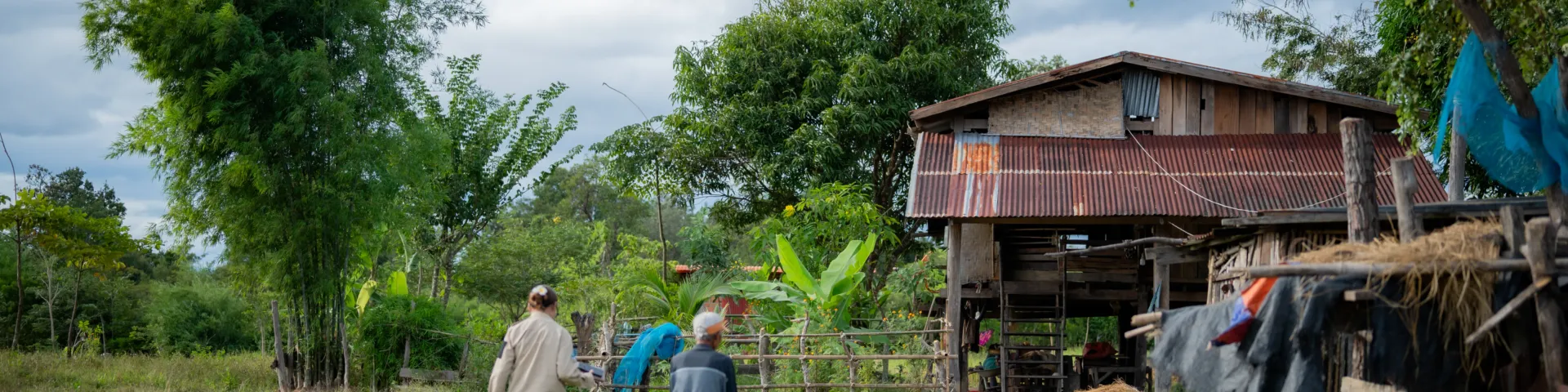
For years, Mr. Khamdan did not know that unexploded ordnance (UXO) clearance teams existed. Like many villagers at the time, he handled cluster munitions himself. He dug holes, collected the items and piled them together carefully and sometime burned them with waste.
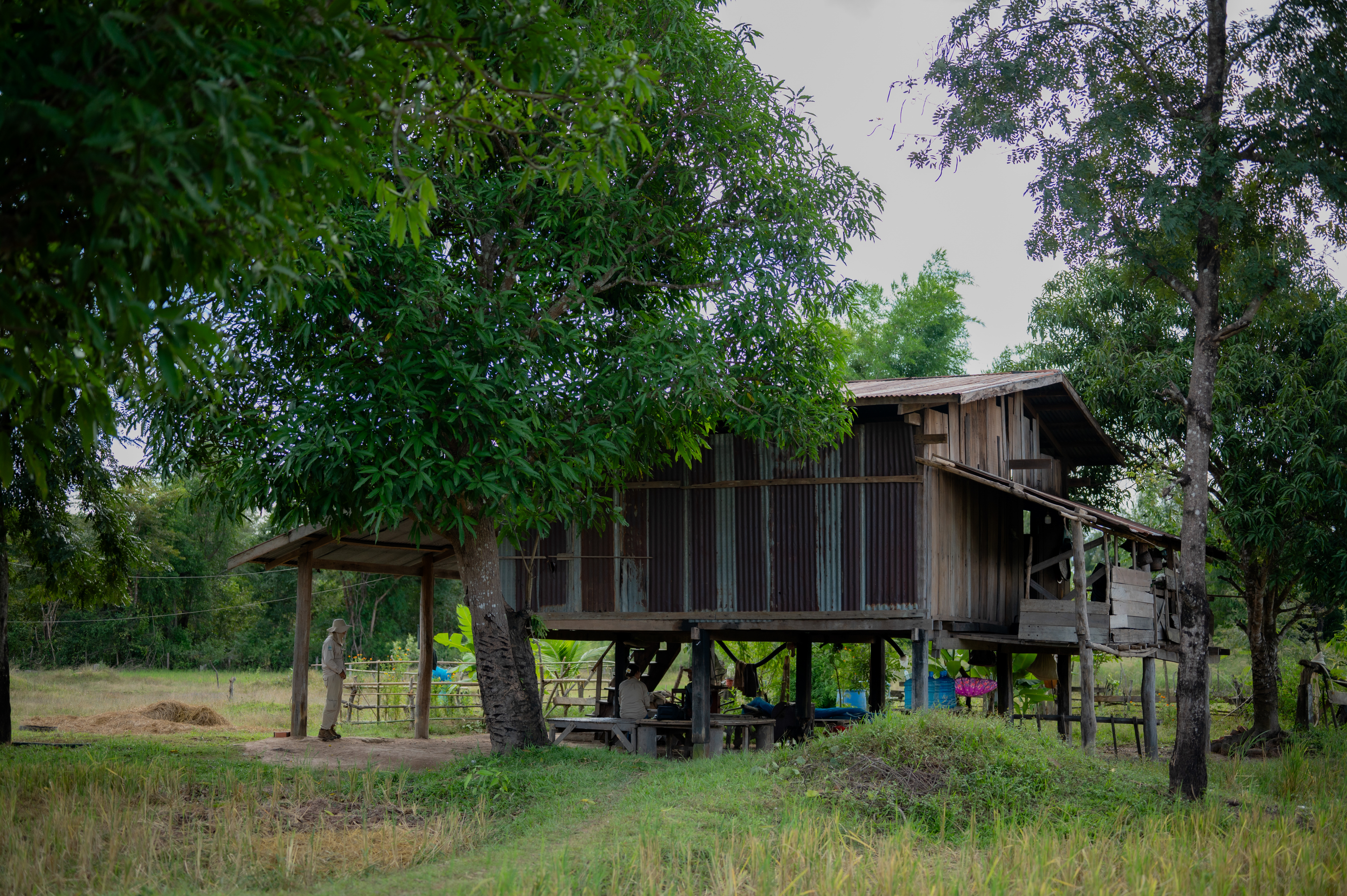
“I would light a fire and run away,” he says. “Sometimes they also explode on their own. My buffalo was killed by explosions after stepping on a bomb in the early 1970s”. The land he farmed had once been a former military camp, with UXO remaining scattered beneath the soil.
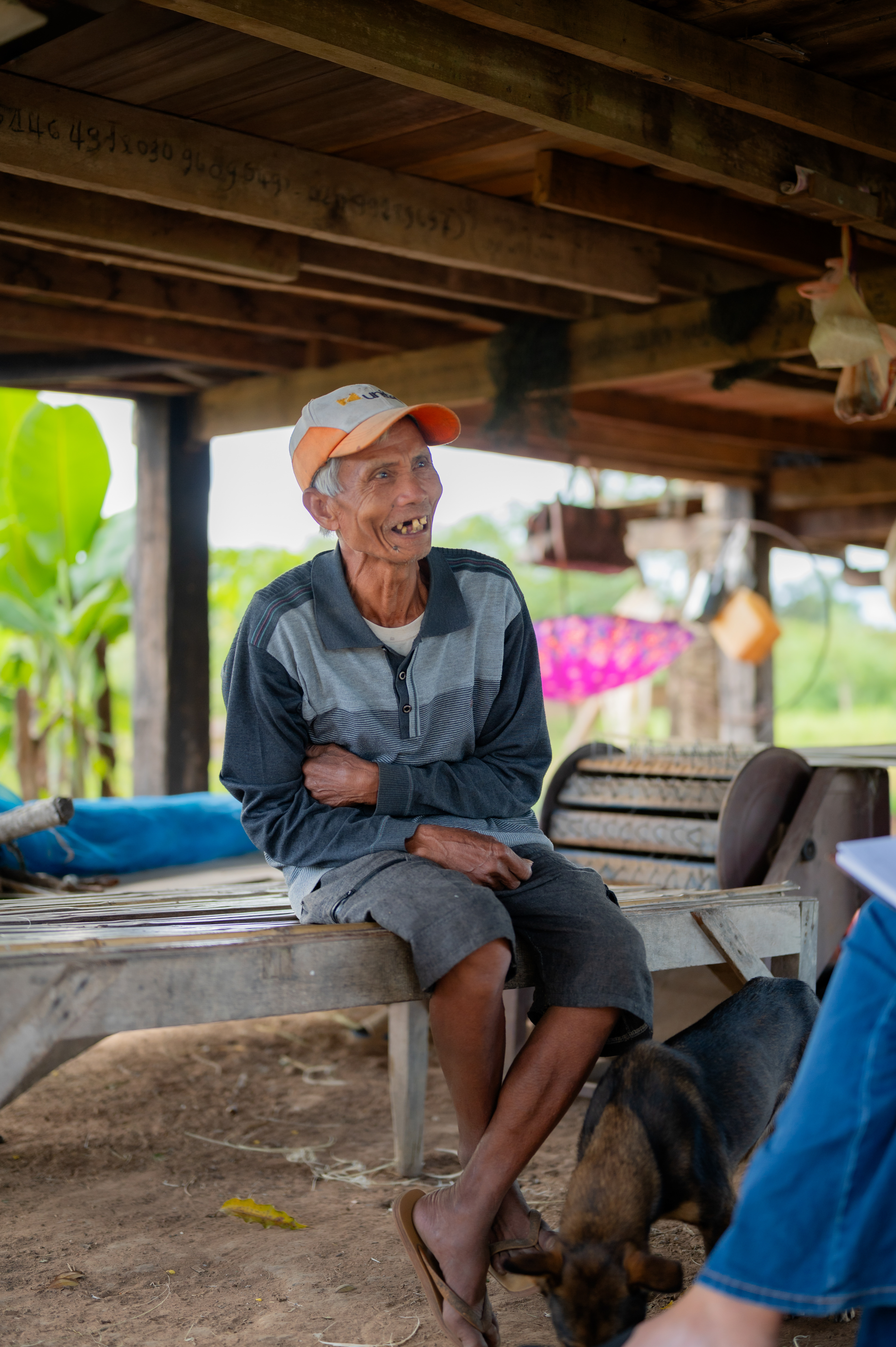
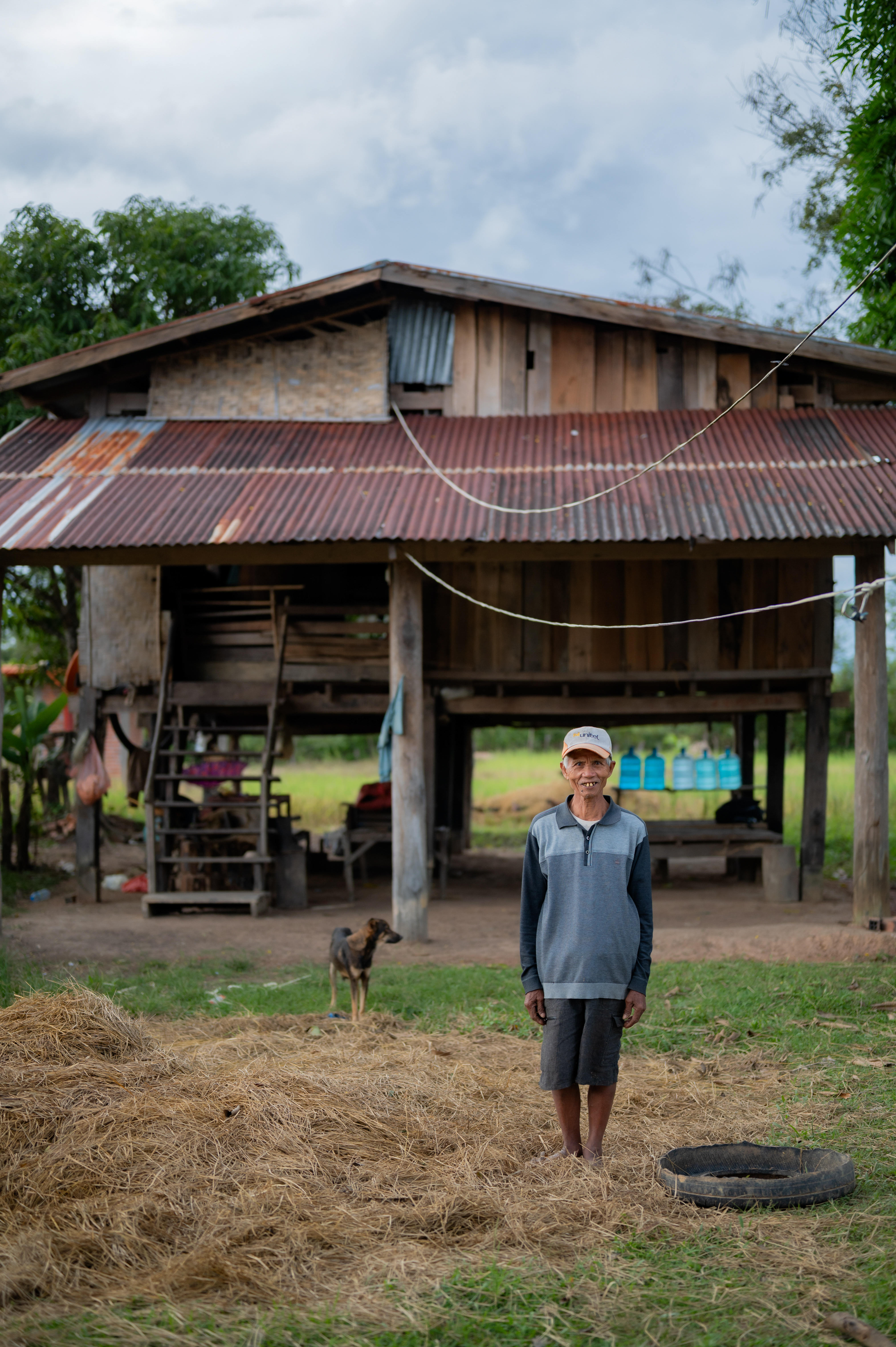
In Maknao Noy village, Saravane district, Saravane province, Mr. Khamdan Xayavong, 86 years-old, a father of nine children, has spent most of his life on land once heavily contaminated by UXO. Before retiring, Mr. Khamdan was a former military officer and worked as a government staff member. During those years, he travelled between town and his farmland, returning permanently to his farmland after retirement. Today, he lives peacefully on his land.
“I saw many bombs while clearing grass around my rice field. There were too many,” he recalls. “Green ones, yellow ones, and round shaped. I was afraid and I knew they were dangerous”.
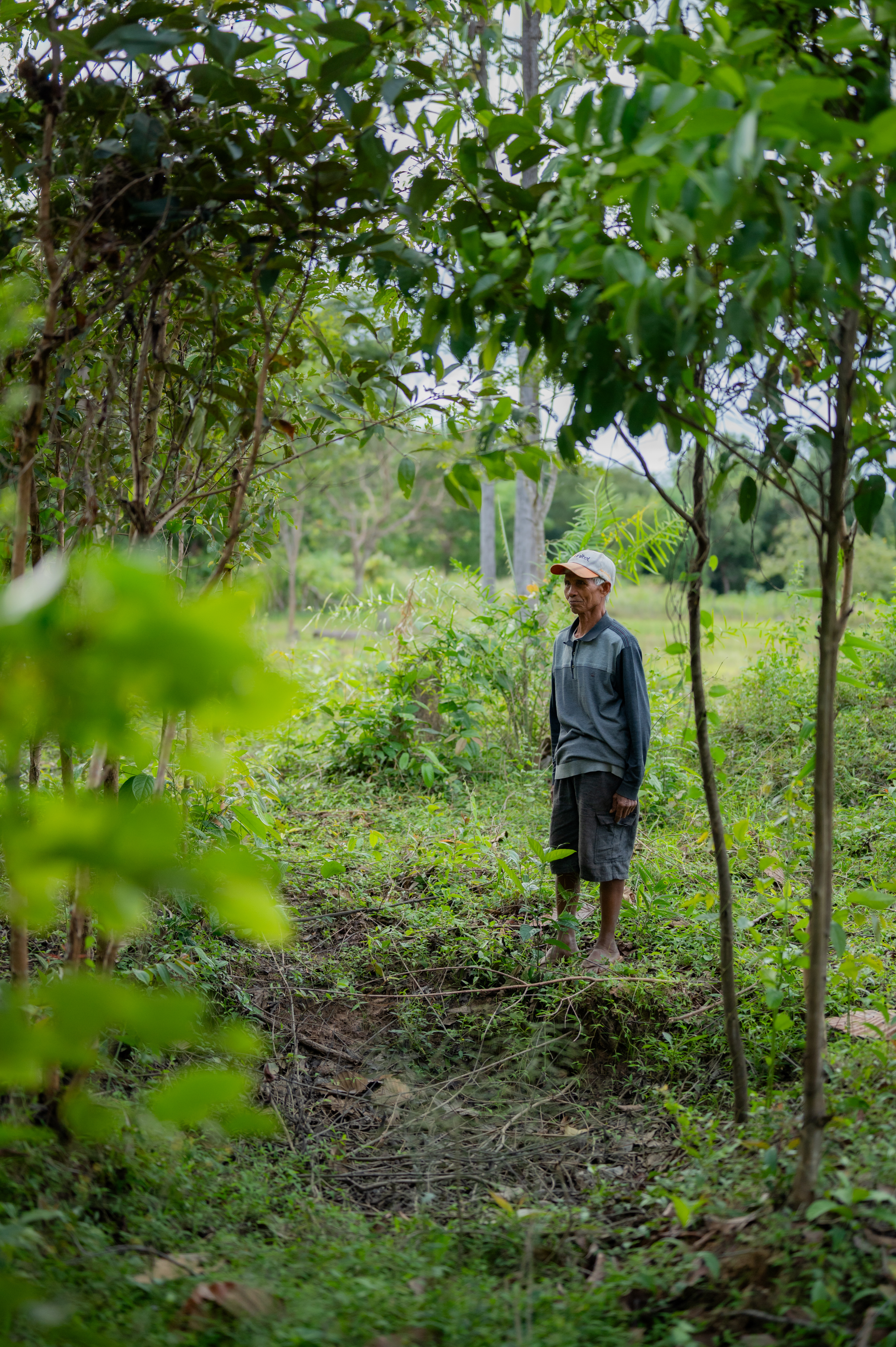
Everything changed when NPA’s Battle Area Clearance (BAC) team was deployed and safely removed the bombs from the village.
“I felt very happy” he says. “I showed the clearance team three bombs because I was afraid they might not see them. I now feel relieved. My grandchildren and nearby residents can walk freely. No more fear”.
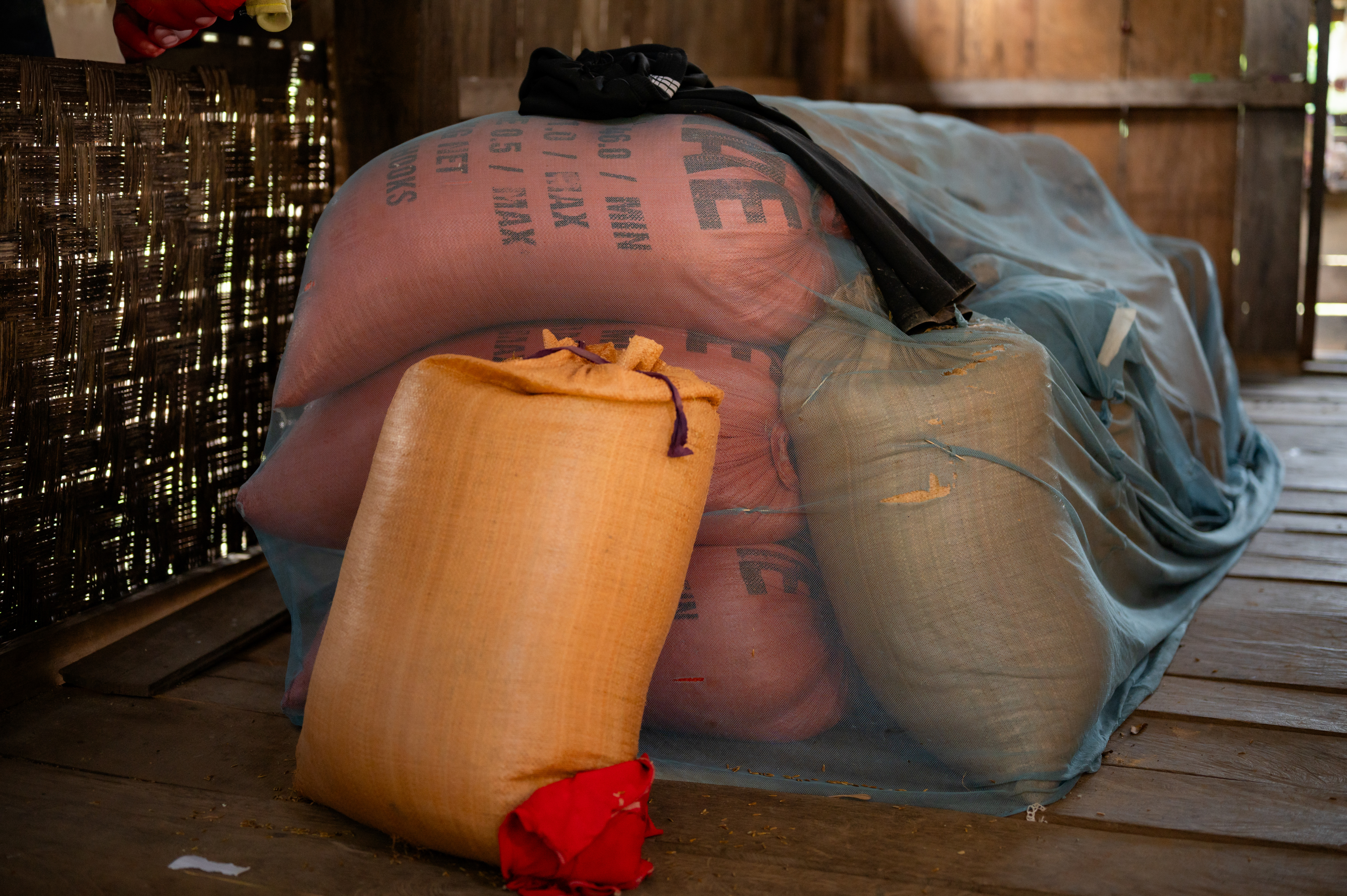
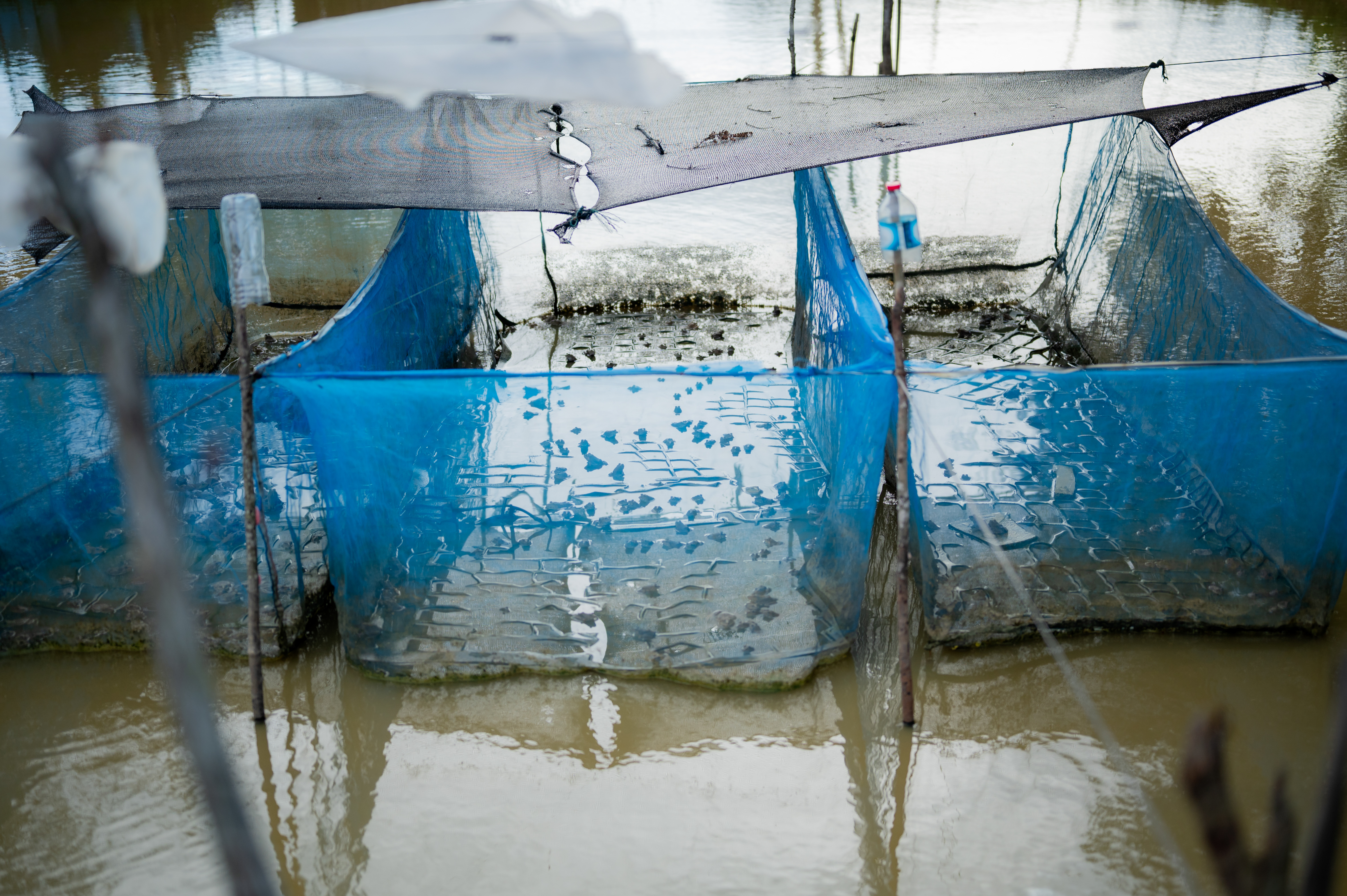
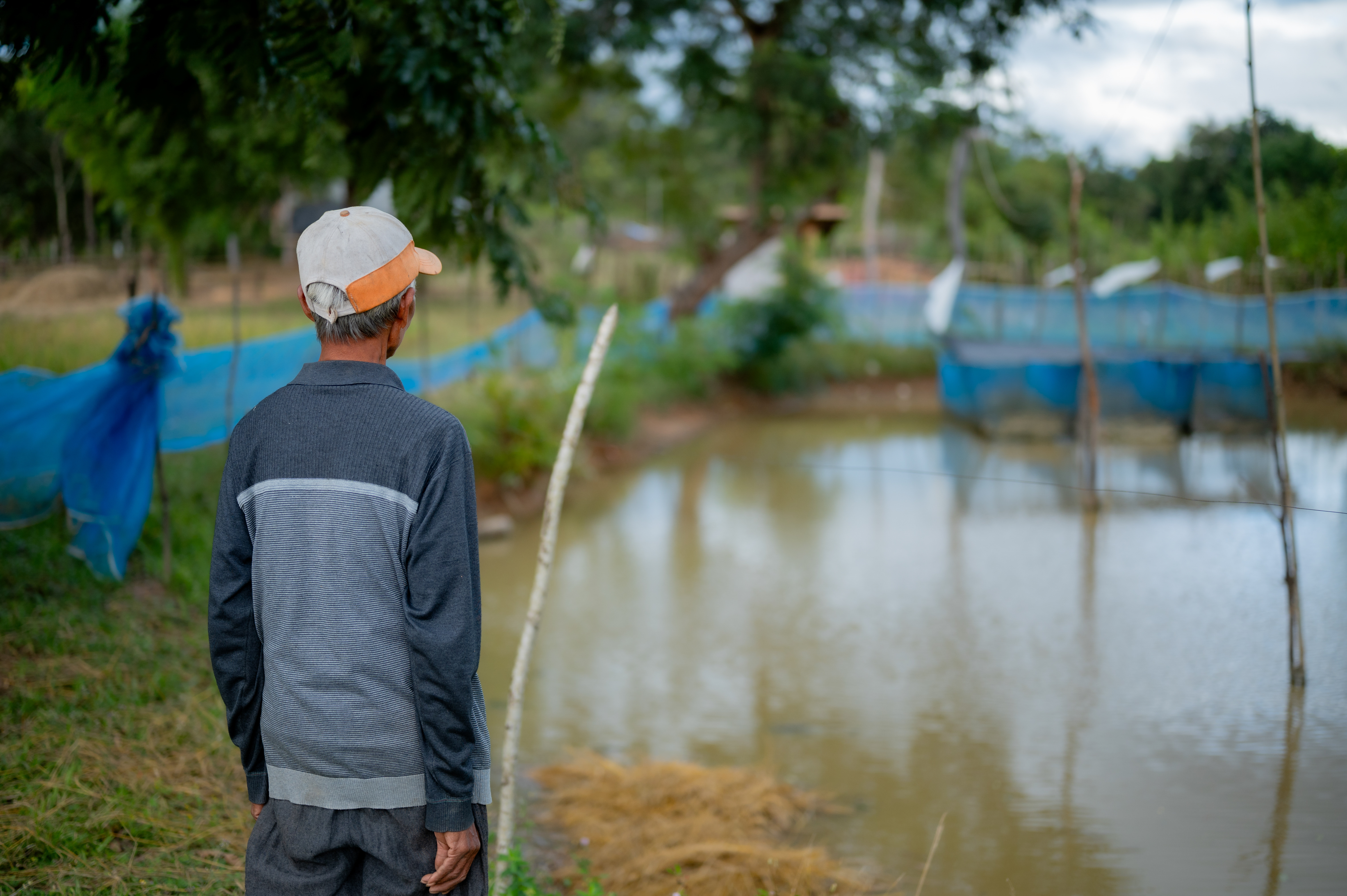
Before the land was cleared by NPA, Mr. Khamdan harvested only seven sacks of rice per year. Today, he produces up to 35 sacks annually. With safe land, he has also expanded his farming activities to raising more livestock and digging a pond to raise frogs. He now sells frogs four times per year, earning approximately 2 million kip per time.
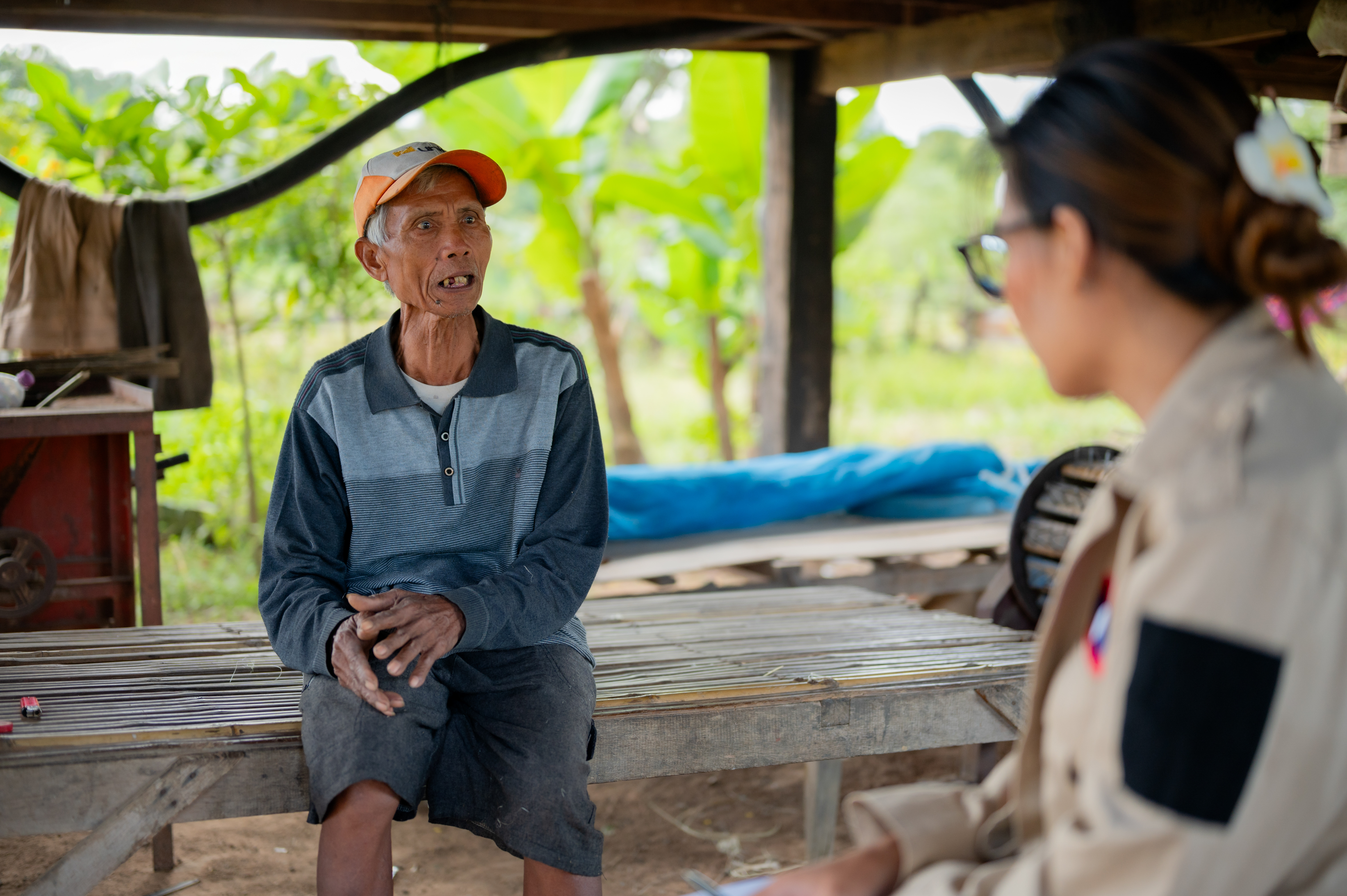

We sincerely thank the Government of the United States for the valuable support to our mine action work in the four southern provinces. NPA continues to work with local communities to reduce risks and help families build a safer and more secure future.