
New Data Shows Thousands of Civilians Killed and Injured by Landmines and Explosive Remnants of War
More than 5,000 people were killed or injured by landmines, cluster munitions and explosive remnants of war (ERW), including cluster munition remnants, in 2025, according to new preliminary data released by the Landmine and Cluster Munition Monitor. Over 90 percent of casualties were civilians, and children accounted for a significant proportion of those harmed.
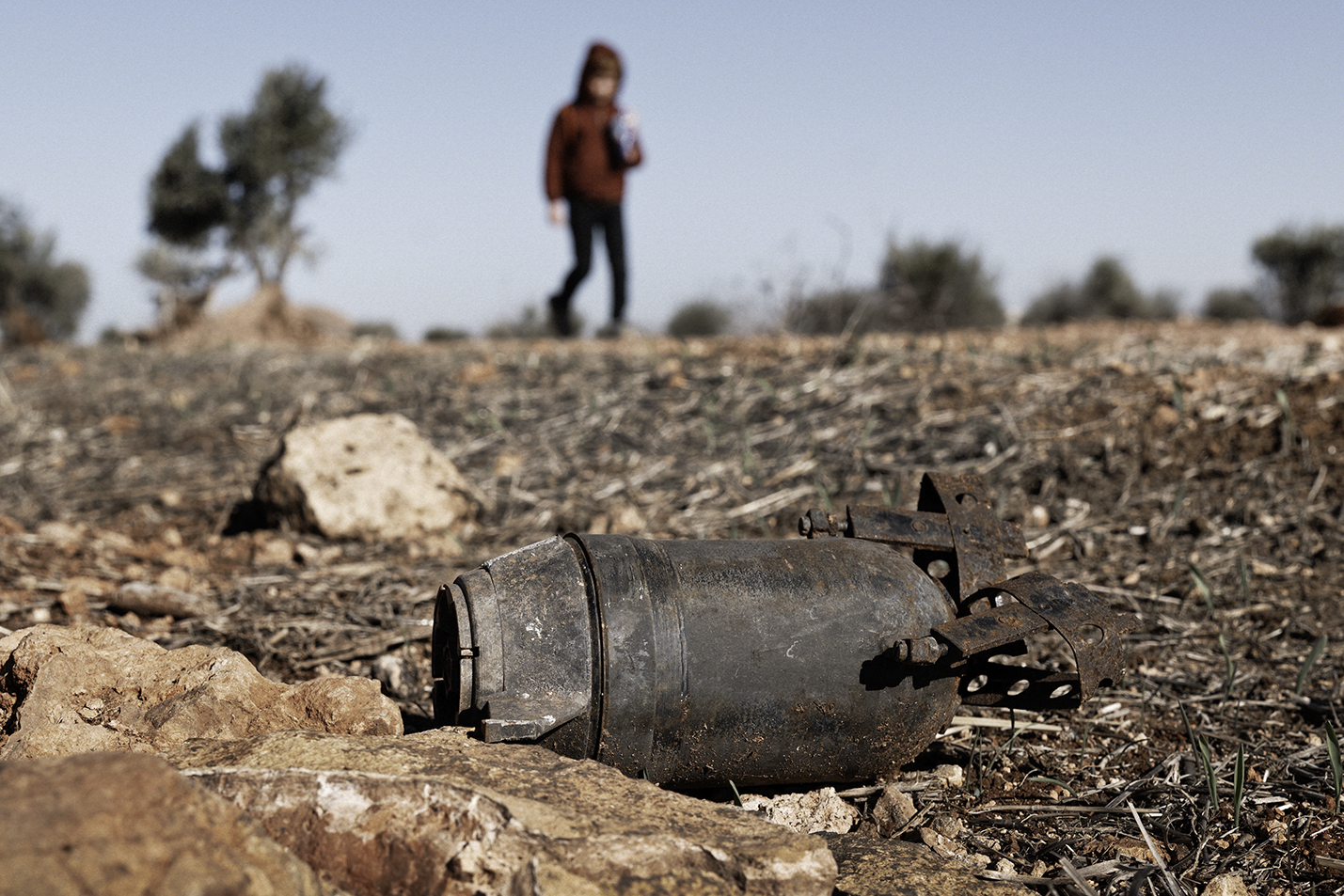
The figures are a stark reminder of the devastating humanitarian impact of these weapons. Every casualty represents a life changed forever – a child walking to school, a farmer tending their land, or a family trying to rebuild after conflict. The fact that civilians continue to bear the brunt of the harm demonstrates why anti-personnel mines and cluster munitions are banned under international law.
Among the 40 countries reviewed in the preliminary dataset, Syria recorded the highest number of casualties, with 1,602 people killed or injured. The true toll is likely far higher, as many incidents go unreported and many victims are never officially recorded.
Syria: A Foreseeable Humanitarian Crisis
The alarming rise in casualties comes as millions of Syrians return to their homes after years of displacement. According to UNHCR, approximately 1.3 million Syrians returned from abroad in 2025, while large numbers of internally displaced people also returned to their communities. Many are returning to areas contaminated by landmines, cluster munitions, and other explosive remnants of war.
For NPA and other operators on the ground, the landmine crisis in Syria sadly comes as no surprise. When large numbers of people return to some of the world's most heavily contaminated areas, casualties are inevitable.
NPA has been clearing mines in Syria for several years and was the first humanitarian mine action operator registered to conduct clearance in government-controlled areas. Today, nearly 19 million Syrians are estimated to live within 1.5 kilometres of contaminated land, highlighting the scale of the challenge facing the country.
As Syrians begin to rebuild their lives, sustained support for humanitarian mine action is more important than ever. Yet funding for humanitarian response in Syria has declined dramatically.
NPA urges donors not to turn away from Syria at this critical moment. Continued investment in mine action is essential to protect civilians, facilitate safe returns, and support long-term recovery.
International Norms Matter
The latest casualty figures also underscore the continued importance of the Anti-Personnel Mine Ban Convention and the Convention on Cluster Munitions.
At a time when certain European states have chosen to withdraw from the Mine Ban Treaty, the data provides a powerful reminder of what is at stake. These conventions have saved countless lives, established a strong international norm against indiscriminate weapons, and driven decades of progress in reducing civilian harm. Without these treaties, the global humanitarian impact of landmines and cluster munitions would be far greater.
