
New technology could dramatically speed up landmine clearance
New detection technology under development could significantly improve the efficiency of humanitarian mine clearance. By detecting the explosive content inside landmines – rather than simply metal in the ground – the innovation aims to reduce false signals and help return land to communities faster.
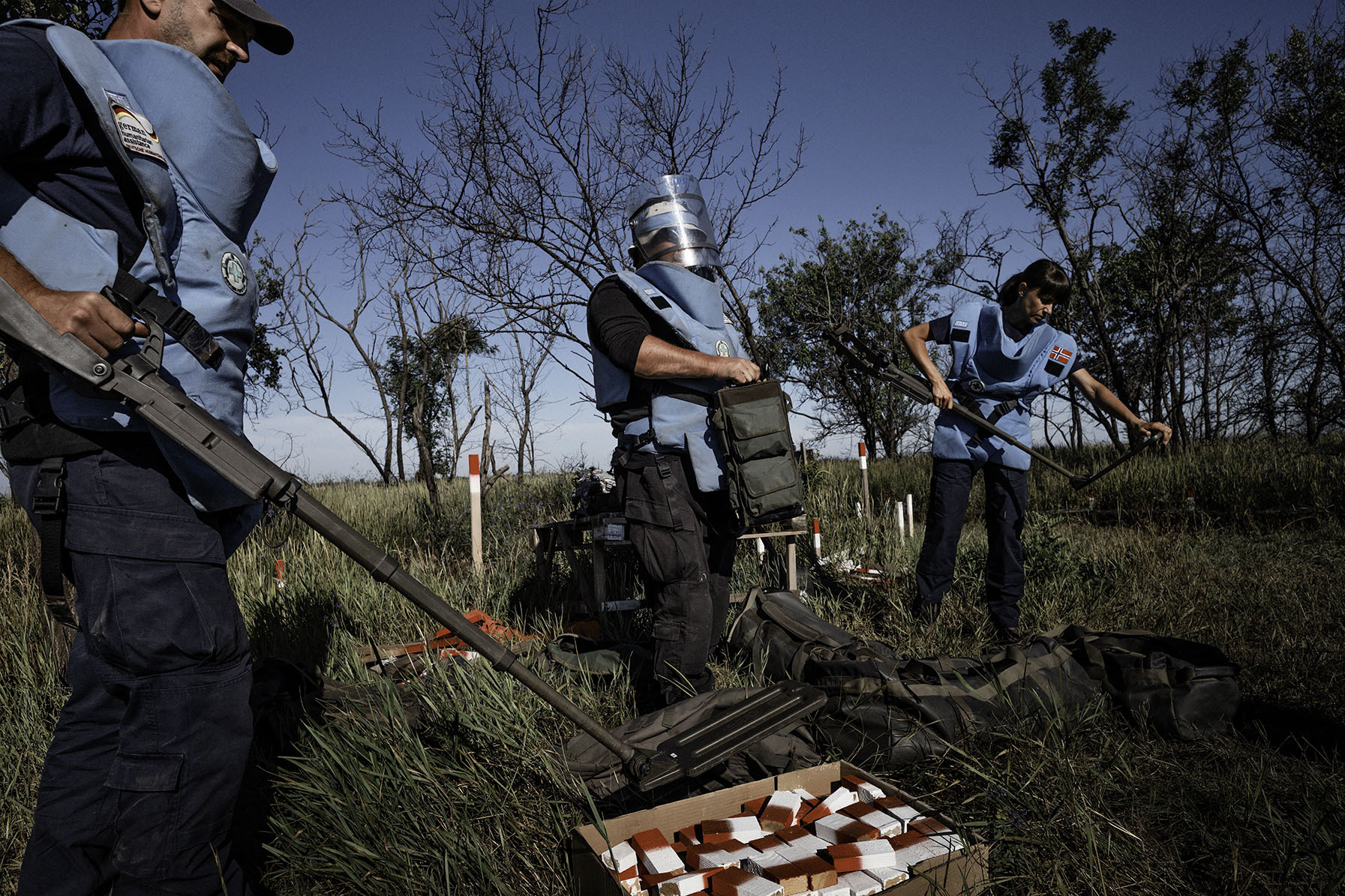
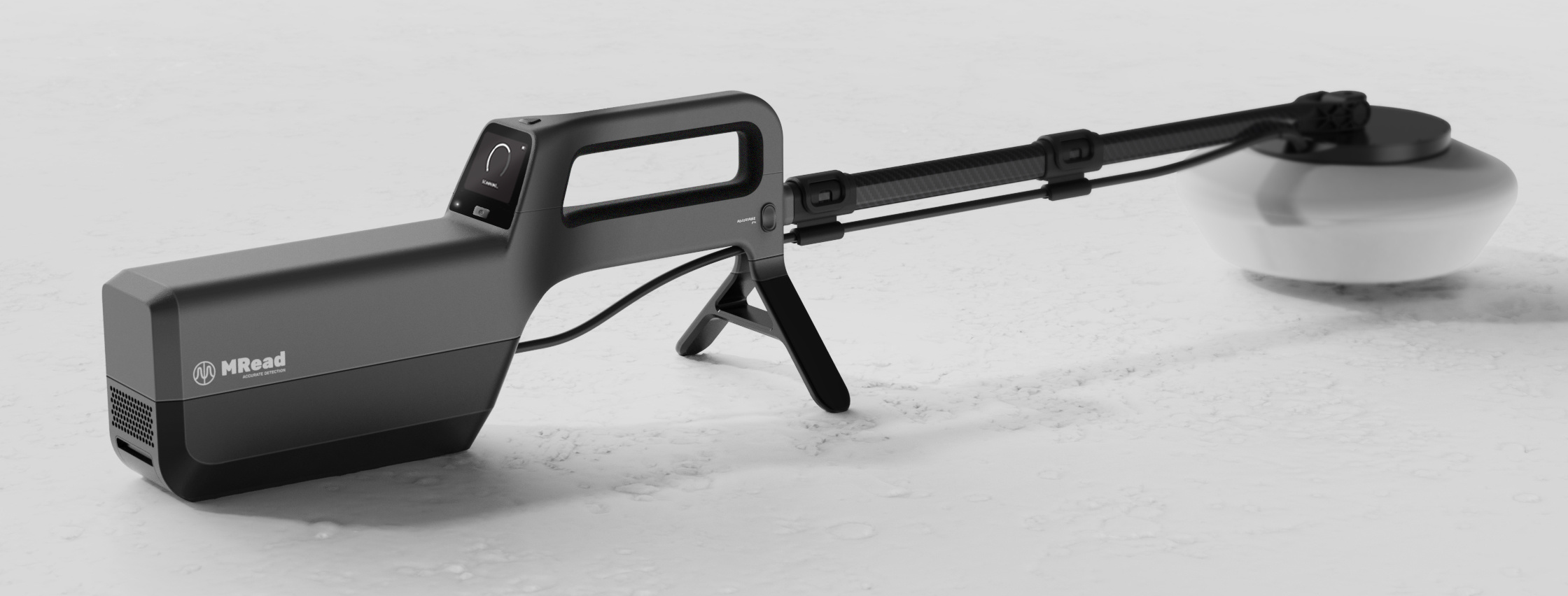
Norwegian People’s Aid (NPA) has partnered with MRead to develop and manufacture a new non-intrusive explosive detection system. The project is supported by Innovation Norway through its Humanitarian Innovation Programme.
A major challenge in mine clearance
In many mine-affected areas, deminers must investigate a very large number of signals before finding an actual landmine. Traditional metal detectors identify any piece of metal in the ground, meaning teams often spend long hours excavating harmless fragments such as shrapnel or scrap metal.
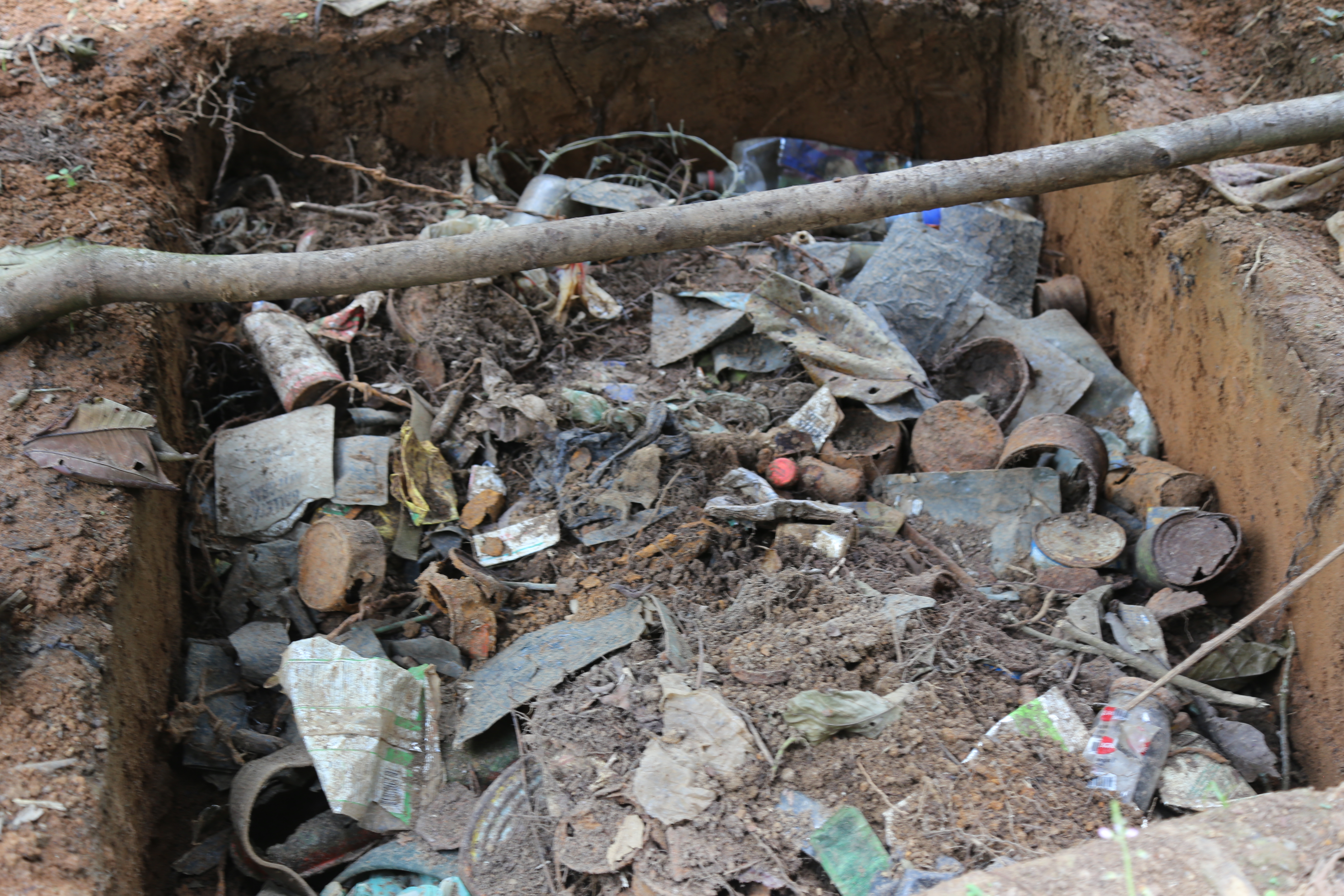
In some contexts, more than 100 signals must be investigated to find a single landmine. This significantly slows down clearance operations and delays the return of land to communities recovering from conflict.
Landmines continue to block families from rebuilding their lives. Fields cannot be safely farmed, children cannot walk to school without risk, and communities remain trapped by the constant threat of death or injury.
Detecting explosives instead of metal
To address this challenge, MRead, a technology company specialising in advanced explosive detection systems, is developing technology that detects the explosive material inside landmines using magnetic resonance.
By focusing on the explosive content rather than metal, the system has the potential to dramatically reduce the number of false signals that deminers need to investigate.
“Improving the efficiency of mine detection is critical,” said Aksel Steen-Nilsen, Head of Mine Action at NPA.
“Every hour spent excavating harmless metal fragments is time that could instead be used to clear real landmines. Technology that helps us distinguish explosives from other materials could make a significant difference for both safety and efficiency in the field.”


A partnership for innovation in mine action
The partnership brings together NPA’s operational experience in humanitarian mine clearance with MRead’s technological expertise.
“Humanitarian demining teams face an enormous challenge dealing with the sheer volume of false signals generated by conventional detectors,” said John Shanahan, CEO of MRead.
“Our goal is to develop a system that detects the explosive content itself. This technology is likely to greatly reduce the time required to locate landmines and allow clearance teams to focus their efforts where it matters most.”
Faster clearance, safer communities
Over the years, the long-standing collaboration between NPA and Innovation Norway’s Humanitarian Innovation Programme has enabled NPA to partner with technology companies and research actors to test and develop new tools that improve humanitarian mine action – from environmental management tools for mine clearance operations to advanced technologies that improve detection, mapping and operational efficiency.
By supporting partnerships between humanitarian organisations and the private sector, the programme helps develop and scale innovative solutions that can make humanitarian response safer, faster and more effective for people affected by conflict.
