
Releasing Valuable Land: Why Environmental Management Improves Mine Action
Humanitarian mine action is imperative to save lives, enable recovery and return land safely to communities. Mine action today is judged not only by how much land it clears, but by the quality and sustainability of the land it returns.

Authors: Kristin Holme Obrestad and Rob White
A changing operating environment
The question is not whether mine action can afford to integrate environmental management and climate risk into its operations - it is whether it can afford not to. Every dollar invested in mine action is intended to deliver long-term humanitarian and development benefits. Those benefits depend not only on removing explosive hazards but on ensuring that released land remains productive, resilient and valuable for the communities who depend upon it.
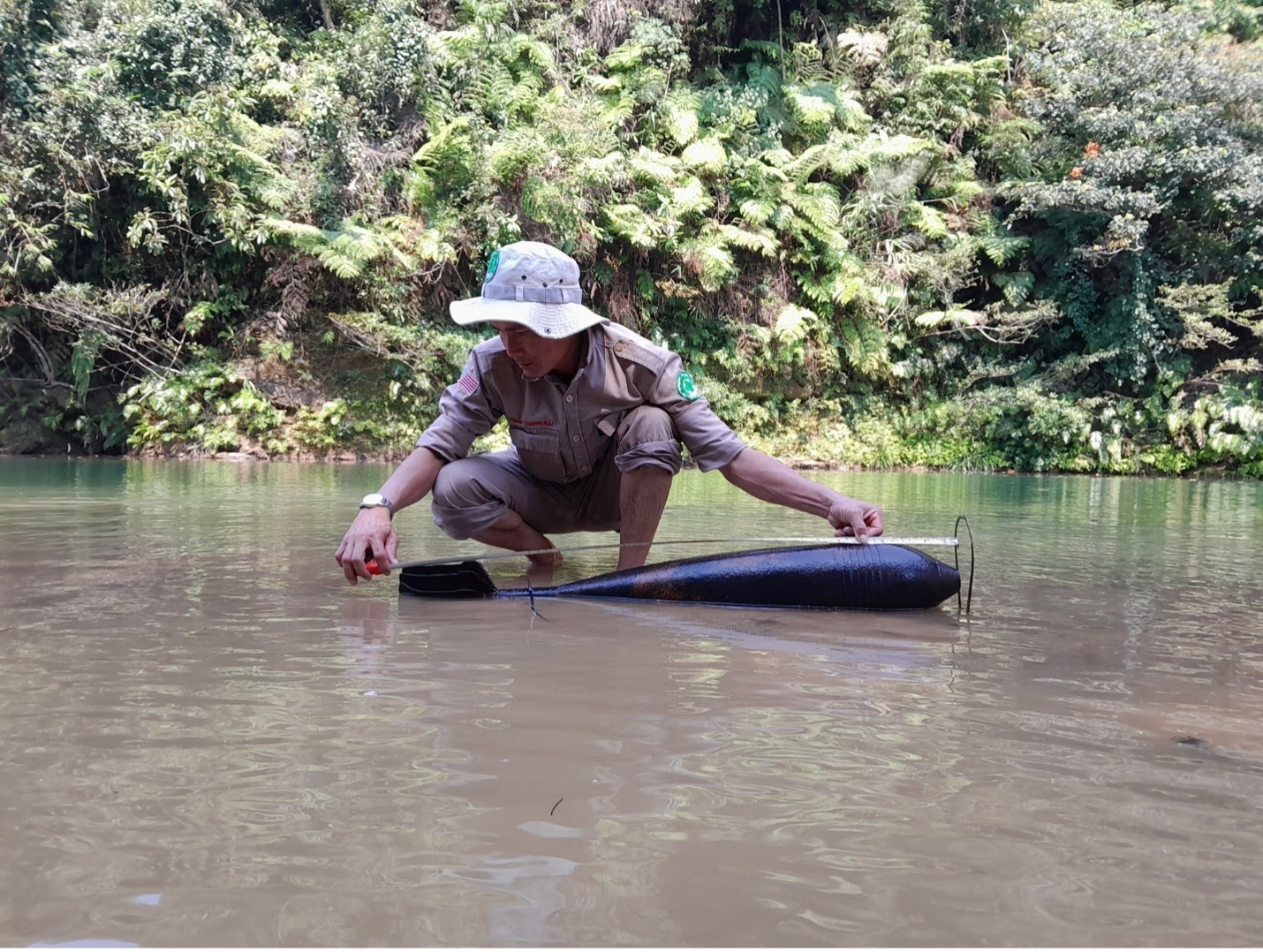
Climate change and environmental degradation are already affecting mine action. Floods, wildfires, droughts, extreme heat and landslides disrupt operations, damage infrastructure and can expose or move explosive ordnance, creating new risks for communities. At the same time, clearance operations themselves can affect soil, vegetation, water streams and biodiversity if environmental risks are not considered during planning and implementation.
From environmental protection to operational quality
This recognition led to the revision of IMAS 07.13 on Environmental Management and Climate Change in Mine Action in 2024. The revised standard integrates environmental protection, climate risks and adaptation into existing planning, risk management and operational processes. Its purpose is not to create unnecessary bureaucracy, but to improve the quality, resilience and sustainability of mine action. Environment and climate considerations have also become more prominent within the framework of the Anti-Personnel Mine Ban Convention and were made a priority in the current five-year Siem Reap–Angkor Action Plan, adopted in 2024.
Critics rightly point out that implementing environmental management requires resources. Developing procedures and systems, training staff, carrying out environmental assessments and monitoring performance all require time and resources. In a sector facing declining funding and increasing humanitarian needs, there are understandable concerns that environmental requirements could divert resources away from land release.
These concerns deserve to be taken seriously. But they also raise a more important question: what are the costs of not managing environmental and climate risks?
The hidden costs of doing nothing
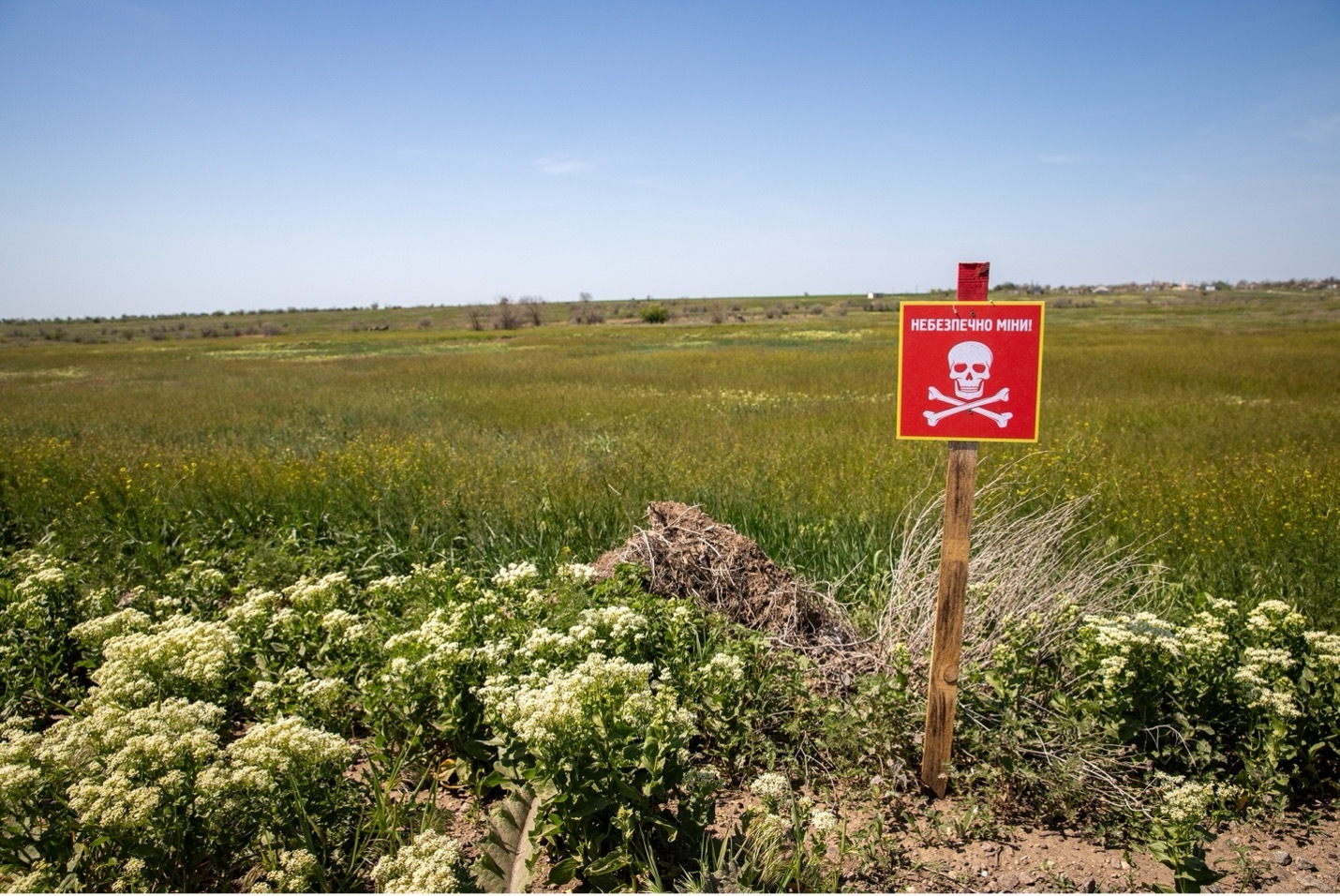
Ignoring environmental risks can create delays, damage relationships with communities, increase legal and reputational risks, reduce the productivity of released land and require costly remediation after operations have finished. Climate-related disruptions can interrupt programmes, damage equipment and increase operational costs. These are not environmental issues alone—they are operational and financial risks.
Environmental management is therefore best understood as part of quality management. Mine action already invests in quality assurance, accreditation, information management and risk management because these systems improve safety and operational effectiveness. Environmental management serves the same purpose. It helps ensure that land is not only free from explosive hazards but also remains suitable for agriculture, infrastructure, conservation and other intended uses.
A technically successful clearance operation can still fall short if unnecessary environmental damage reduces the long-term value of the land. Safe land that has suffered avoidable soil degradation, erosion or damage to livelihoods may not deliver the full humanitarian and development benefits that mine action is intended to achieve.
Better planning delivers better outcomes
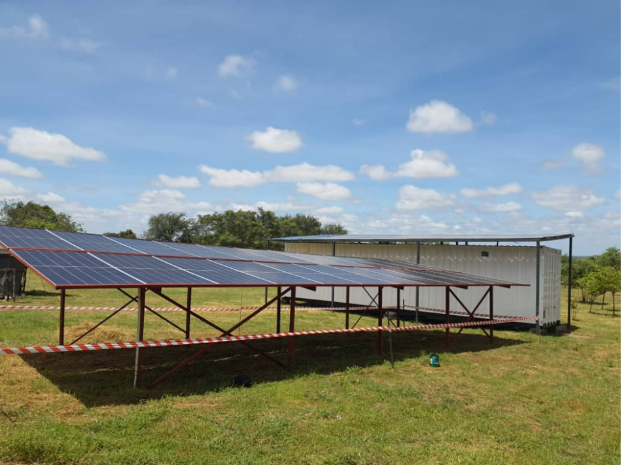
Environmental planning can also improve operational efficiency. Better planning often reduces unnecessary vegetation clearance, fuel consumption, mechanical ground preparation and repeat deployments. Considering climate risks helps Norwegian People’s Aid (NPA) anticipate disruptions from extreme weather, protect equipment, improve staff safety and strengthen our continuity. In many cases, modest investments during planning can avoid larger costs later.
This reflects a well-established principle across infrastructure, disaster risk reduction and development: prevention is usually less expensive than remediation. Identifying risks early and avoiding unnecessary damage is generally more cost-effective than repairing environmental harm, restoring degraded land or managing operational disruptions after they occur.
Protecting the value of mine action investments
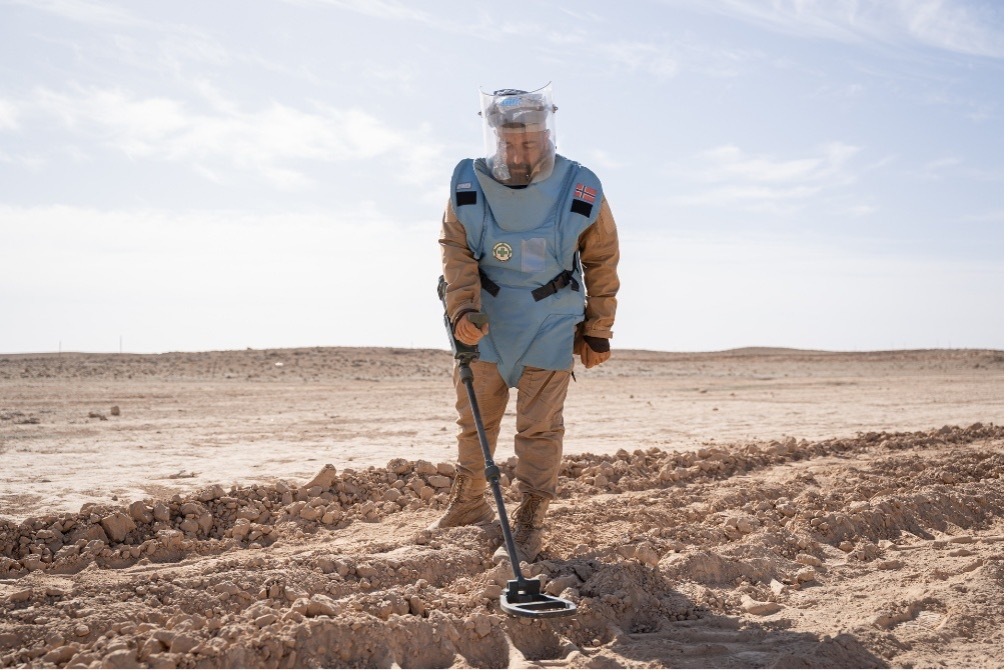
Environmental management also helps protect the return on investment in mine action. Donors, national authorities and affected communities invest in mine action because of what happens after clearance: safer communities, restored livelihoods, economic recovery and sustainable development. Protecting soil, water resources and productive land helps ensure that long-term benefits are fully realised.
At Norwegian People's Aid, we see environmental management not as an additional compliance exercise but as an opportunity to improve how mine action is delivered. NPA has played a leading role in revising IMAS 07.13 and has developed the Green Field Tool together with CEOBS to help mine action to help mine action stakeholders integrate environmental and climate considerations into planning and operations. The aim is practical implementation that strengthens, not slows, mine action. NPA is rolling out this environmental assessment tool in all programmes as part of our environmental management system. This do require some resources and training, but we also see that these needs are mainly for a limited time, and that the programme staff soon report that the time spent on it is acceptable, that it changes practices, create better awareness and make environmental management a more integrated part of how we do land release, instead of being an add-on.
Environmental management also strengthens national ownership. National authorities increasingly require environmental safeguards within accreditation, standards and quality management systems. Building these capacities supports long-term sustainability and helps countries manage residual risk after completion.

Looking ahead
Environmental management reflects the humanitarian principle of "do no harm". It recognises that removing explosive hazards should not unintentionally create new environmental, social or economic problems. As climate risks continue to grow and expectations for sustainable recovery increase, environmental management becomes an integral part of mine action practice. Mine action should be an important entry point for supporting environmental recovery, climate resilience and sustainable development.
The objective is not to clear less land. It is to ensure that land is released safely, responsibly and in a condition that maximises its long-term value for the communities who depend on it. Environmental management is therefore not an optional add-on—it is an investment in the quality, effectiveness and lasting impact of mine action. The ultimate measure of successful mine action is not simply the hectares released. It is whether communities receive land that is safe, productive, resilient and capable of supporting sustainable recovery and value for generations to come.
