
Landmines: Casualties rise for third consecutive year as global mine clearance declines
Croatia has been declared free of landmines after nearly 30 years of clearance, while Lebanon has joined the Mine Ban Treaty despite ongoing conflict. These developments demonstrate that the Mine Ban Treaty continues to deliver results and attract new commitments, despite growing challenges. Yet this year's Landmine Monitor and Clearing the Mines reports also reveal a troubling trend: casualties are rising for the third consecutive year, global mine clearance is declining, and the international ban on antipersonnel mines is under unprecedented pressure.
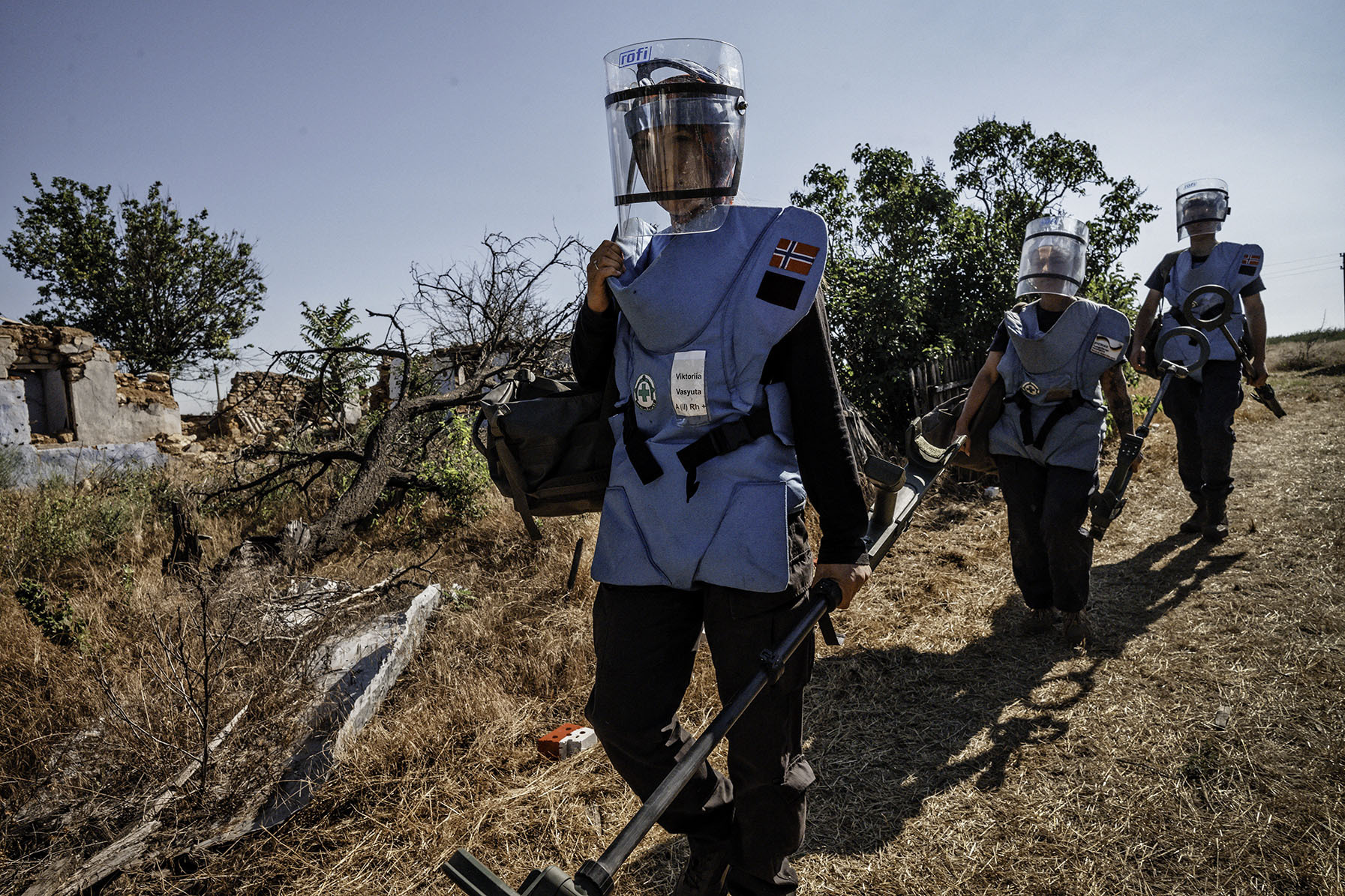
The number of people killed or injured by landmines and explosive remnants of war (ERW) increased for the third consecutive year in 2025. According to Landmine Monitor 2026, at least 6,929 people were killed or injured, a 10 per cent increase from the previous year. Civilians accounted for 84 per cent of casualties where their status was known, and half of all civilian casualties whose age was recorded were children.
According to Clearing the Mines 2026, published by Norwegian People's Aid (NPA), the total area cleared of antipersonnel mines globally fell by more than 7 per cent in 2025.
"At a time when five European countries have withdrawn from the Mine Ban Treaty to reintroduce antipersonnel mines, less mined land is being cleared globally. The result will be more lives lost and vast areas of land remaining unusable for decades to come," says Raymond Johansen, Secretary General of NPA.
Syria: Rising casualties as displaced people return home
The situation in Syria continues to deteriorate. In 2025, 1,602 people were killed or injured by landmines and explosive remnants of war, an increase of more than 50 per cent from the previous year.
Many people have returned home following the fall of the Assad regime in December 2024. But after years of war, vast quantities of landmines and explosive remnants of war remain, making it extremely dangerous for people to move around the neighbourhoods they once fled.
Syria recorded the second-highest number of casualties worldwide in 2025, after Myanmar, where 1,891 people were killed or injured.
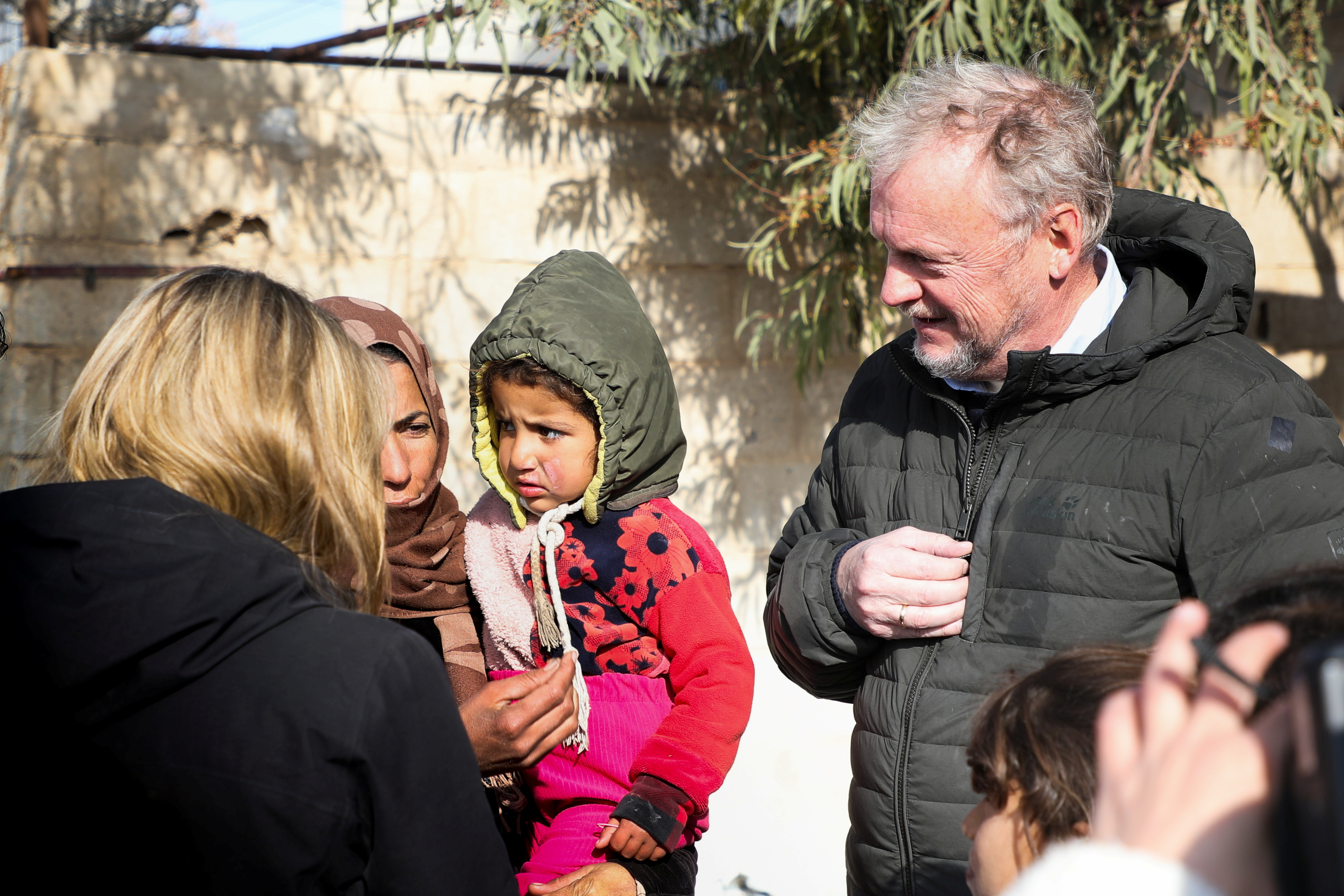
"We have long warned that Syria is facing an acute landmine crisis. I have seen the enormous scale of the destruction myself. NPA is clearing landmines and other explosive ordnance, but the needs far exceed current capacity. If people are to return home safely and rebuild their country, mine clearance efforts must be scaled up significantly," Johansen says.
Mine clearance in decline
Clearing the Mines 2026 shows that the total area of mined land cleared globally fell by more than 7 per cent in 2025 compared with the previous year. A total of 163 square kilometres was cleared, down from 175 square kilometres in 2024.
A total of 115,453 antipersonnel mines were destroyed through clearance, survey and explosive ordnance disposal operations, a decrease of 12 per cent from the previous year.
Cuts in international funding have affected mine action operations and created uncertainty about progress in several countries.
The global mine ban under unprecedented pressure
For the first time since the Mine Ban Treaty entered into force in 1999, countries have withdrawn from the treaty. Five European countries – Estonia, Finland, Latvia, Lithuania and Poland – have left the treaty, citing the deteriorating security situation in Europe.
Several of these countries are now planning to produce antipersonnel mines. Poland plans to procure nearly 15 million mines from domestic manufacturers, while Finland has announced plans to produce one million mines starting in 2028. Latvia and Lithuania have also signalled their intention to develop domestic production capacity.
Ukraine has also attempted to suspend its obligations under the Mine Ban Treaty for the duration of its war against Russia. Clearing the Mines 2026 documents that Ukraine has used and produced antipersonnel mines, in violation of the treaty.
Lebanon and Croatia show another way forward
While five European countries have withdrawn from the Mine Ban Treaty, Lebanon has chosen to join it despite the ongoing conflict in the country. Lebanon has been affected by landmines and other explosive remnants of war for decades.
"It is striking that European countries cite the security situation as a reason for withdrawing from the Mine Ban Treaty, while Lebanon has chosen to join it in the midst of conflict. Lebanon has lived with the consequences of landmines for decades and knows the high price they exact, both in lives lost and in land that can no longer be used. They know that landmines create far more problems than they solve," Johansen says.
Croatia also demonstrates that the Mine Ban Treaty delivers results. According to Clearing the Mines 2026, Croatia became the 33rd State Party to complete clearance of its antipersonnel mined areas, after nearly 30 years of mine action.
"Croatia shows just how long it takes to deal with the legacy of landmines, but also what we can achieve through international cooperation. Without the Mine Ban Treaty, the country might never have reached this milestone. This shows why preserving and strengthening the global ban on antipersonnel mines is so important," Johansen concludes.
About the reports
Clearing the Mines is published by Mine Action Review, an independent research project within NPA. The Landmine Monitor is published by the International Campaign to Ban Landmines (ICBL).
